Segóbriga was an important city during Roman times, located in the current province of Cuenca, Spain. Its origins date back to the Celtiberians, a pre-Roman people who inhabited the region before the arrival of Rome. It was conquered by the Romans at the end of the 2nd century B.C., after the Celtiberian Wars, and became a strategic enclave in the Central Plateau.
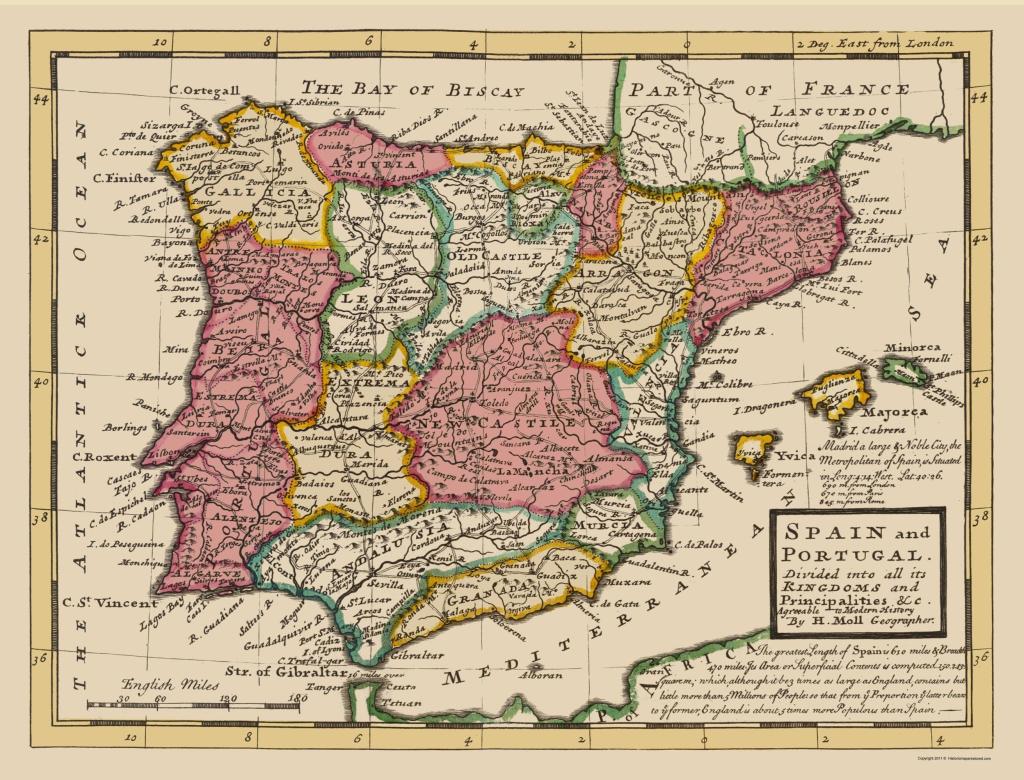
In the 1st century A.D., Segóbriga was elevated to the status of “municipium” under the rule of Emperor Augustus. This status granted its inhabitants Roman citizenship. It also promoted urban and architectural development. During the 1st and 2nd centuries A.D., the city experienced significant growth, reaching its peak as an important administrative, commercial, and cultural center.
Photographic and historical references
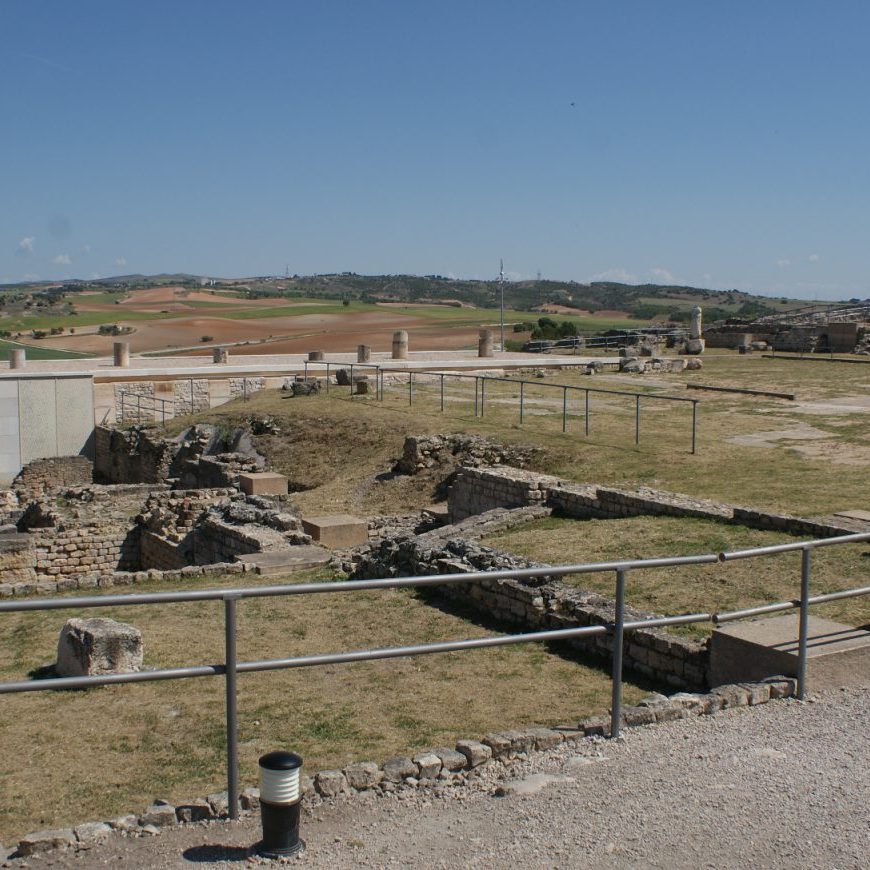
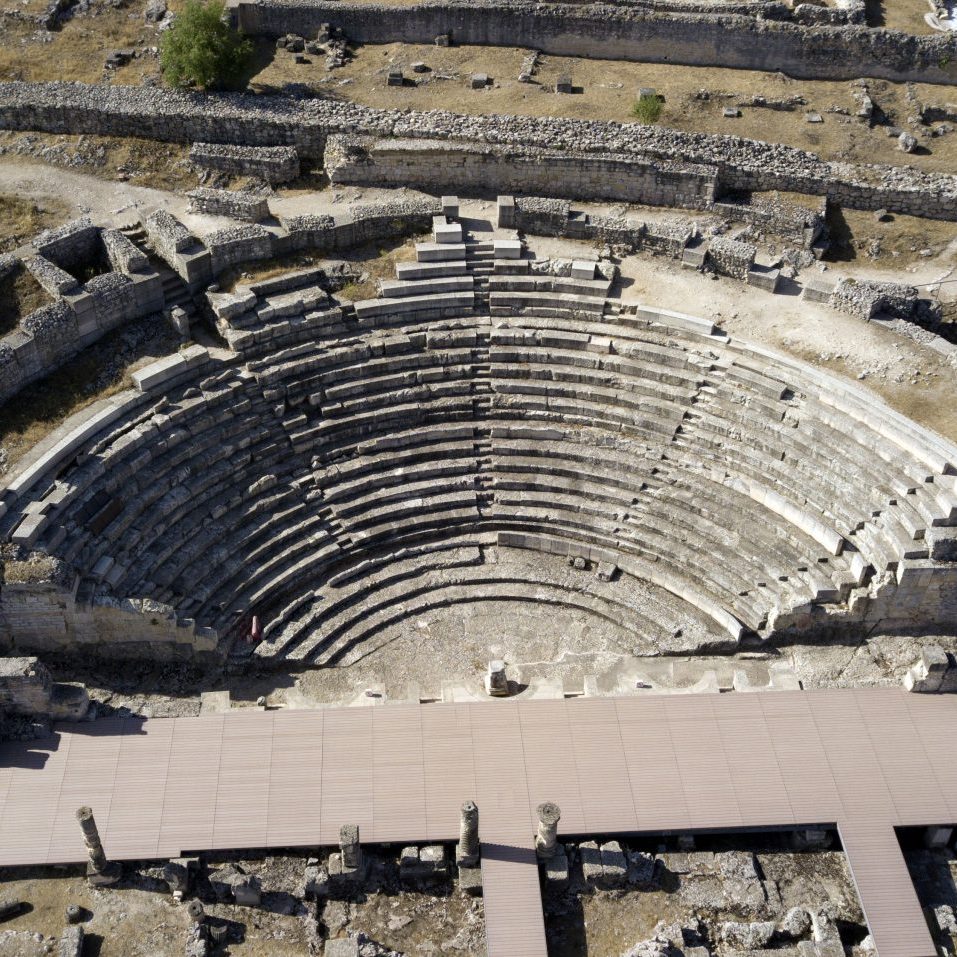
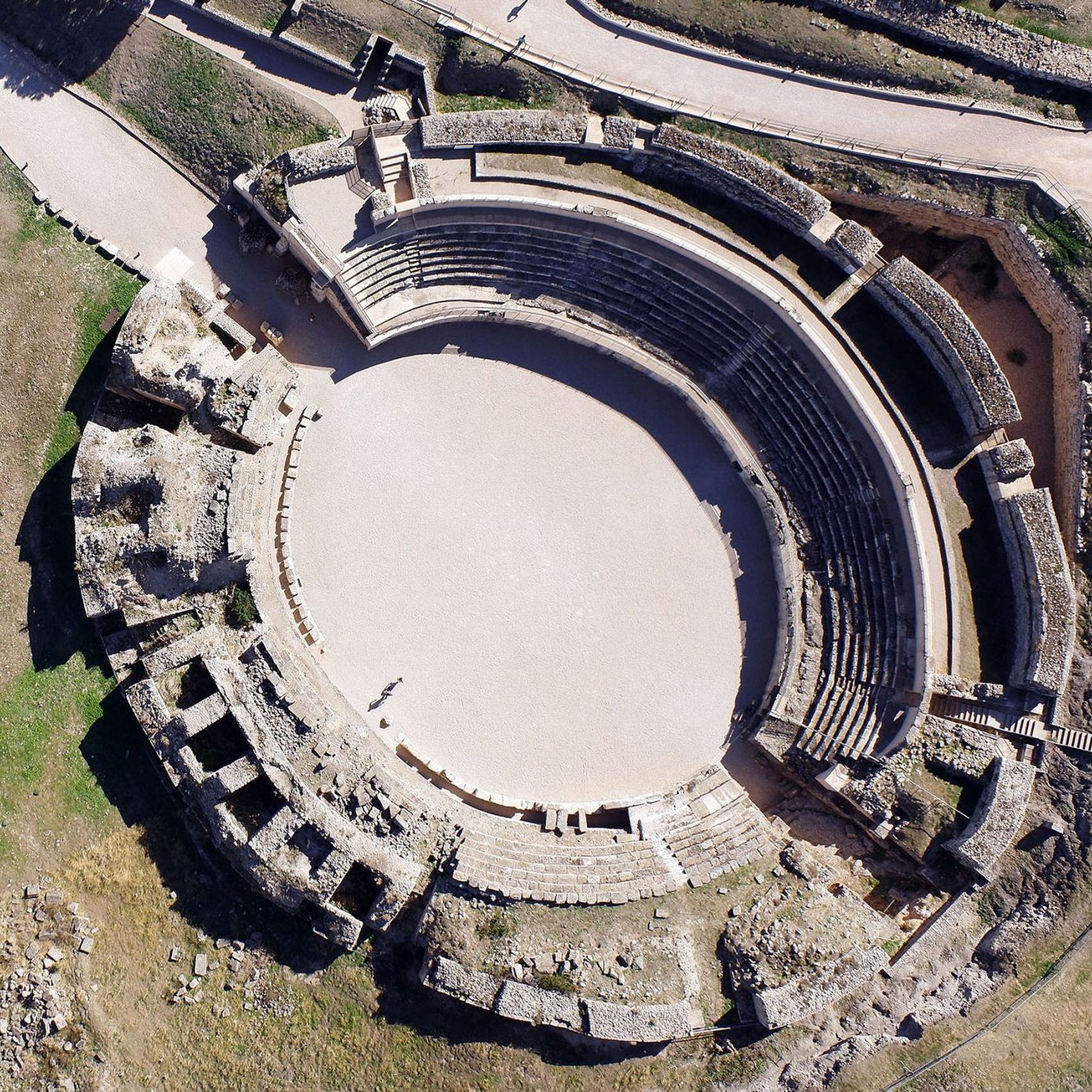
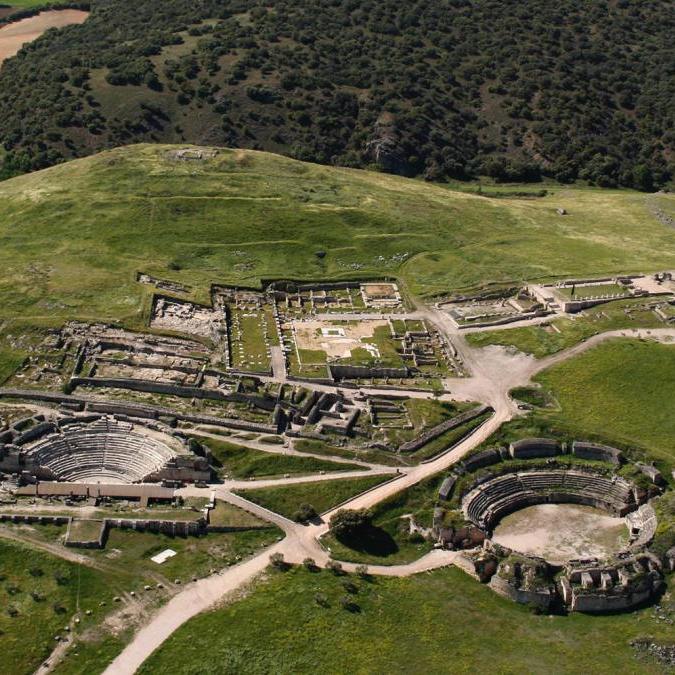
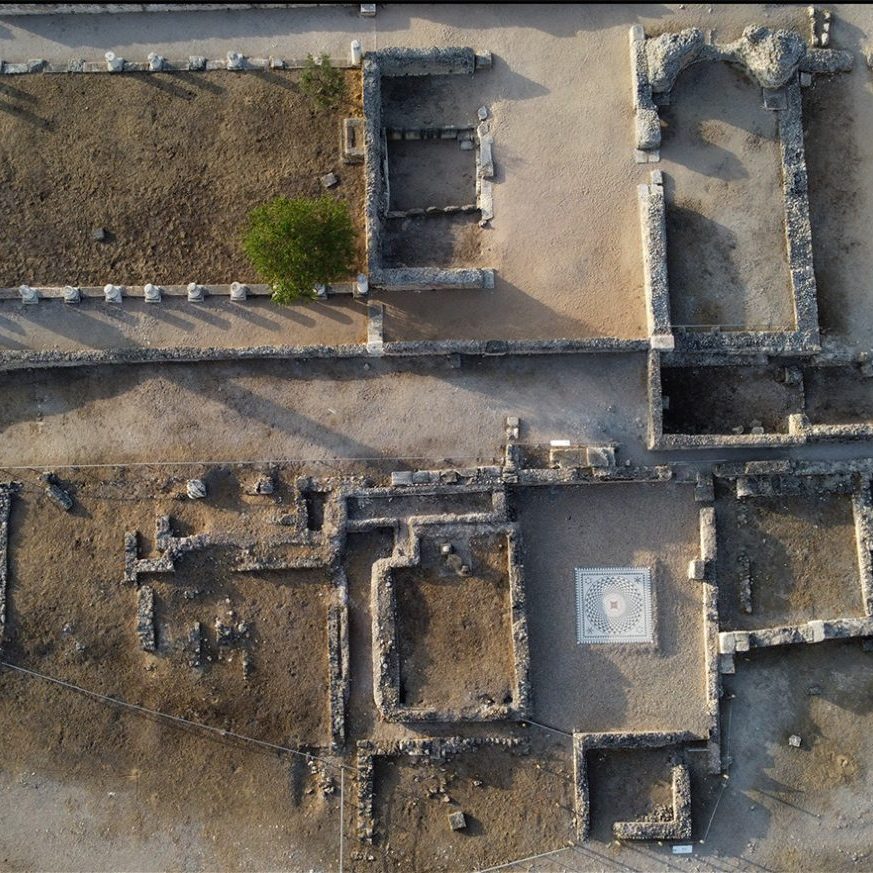
Site study
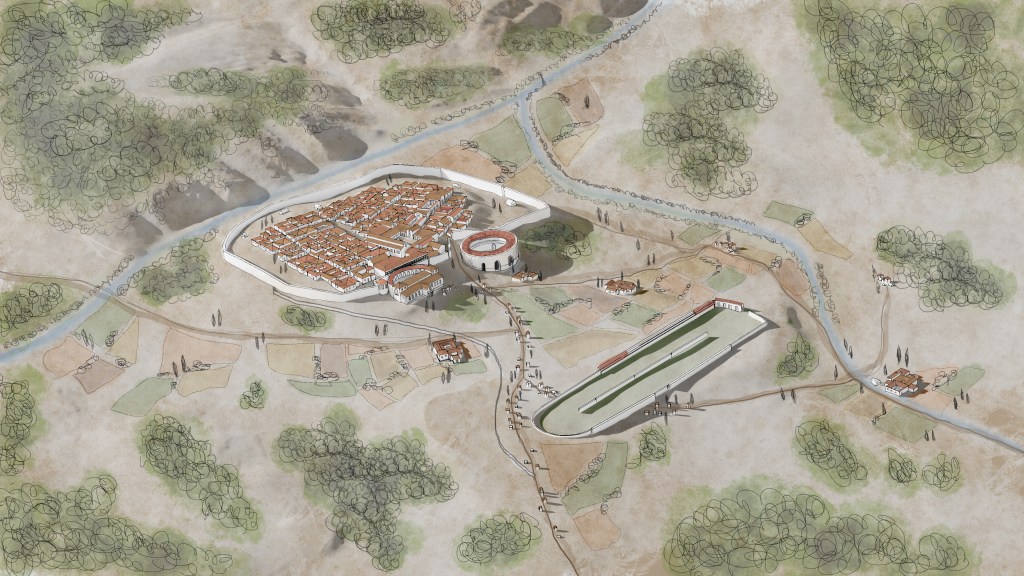
Buildings
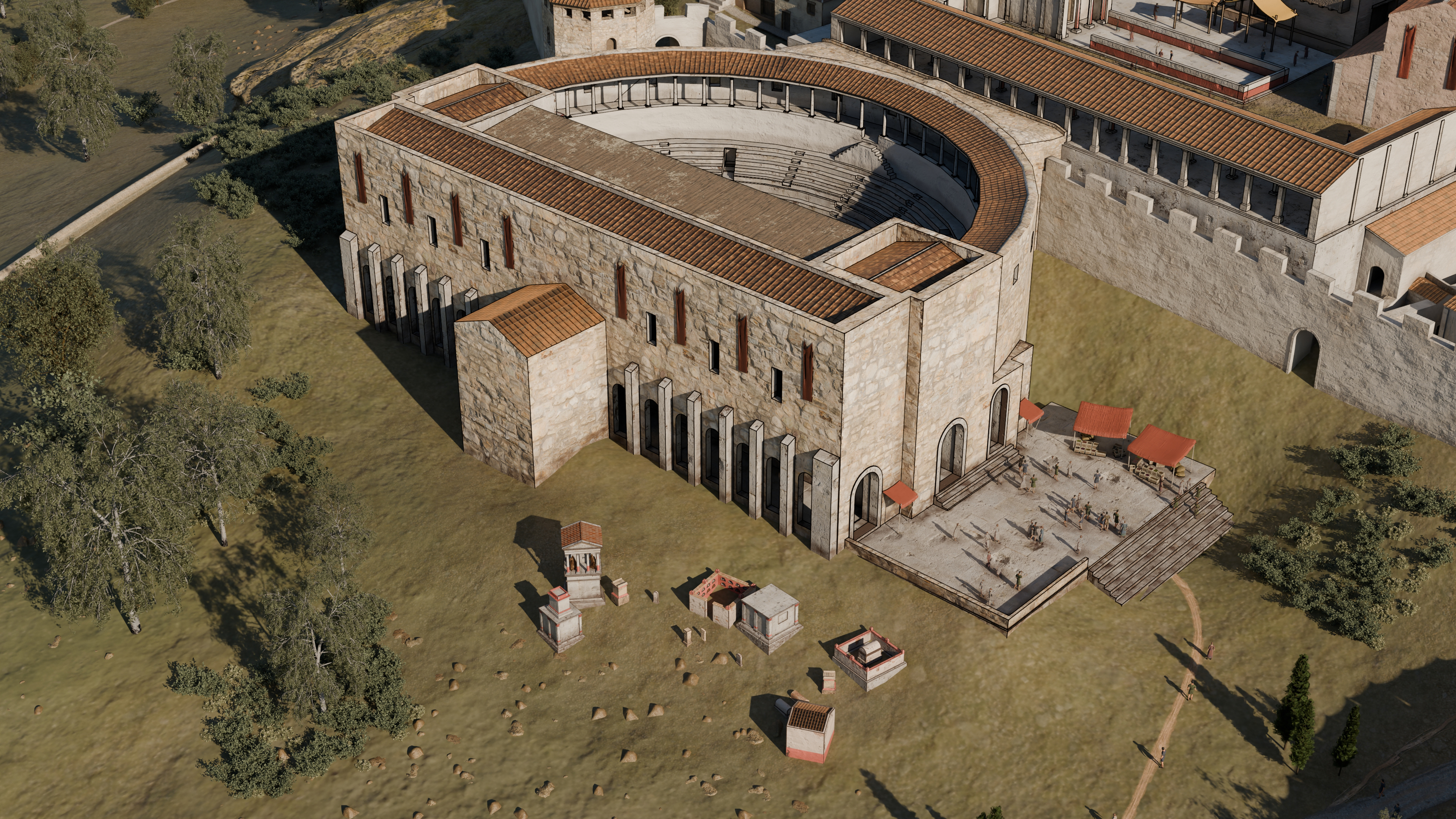
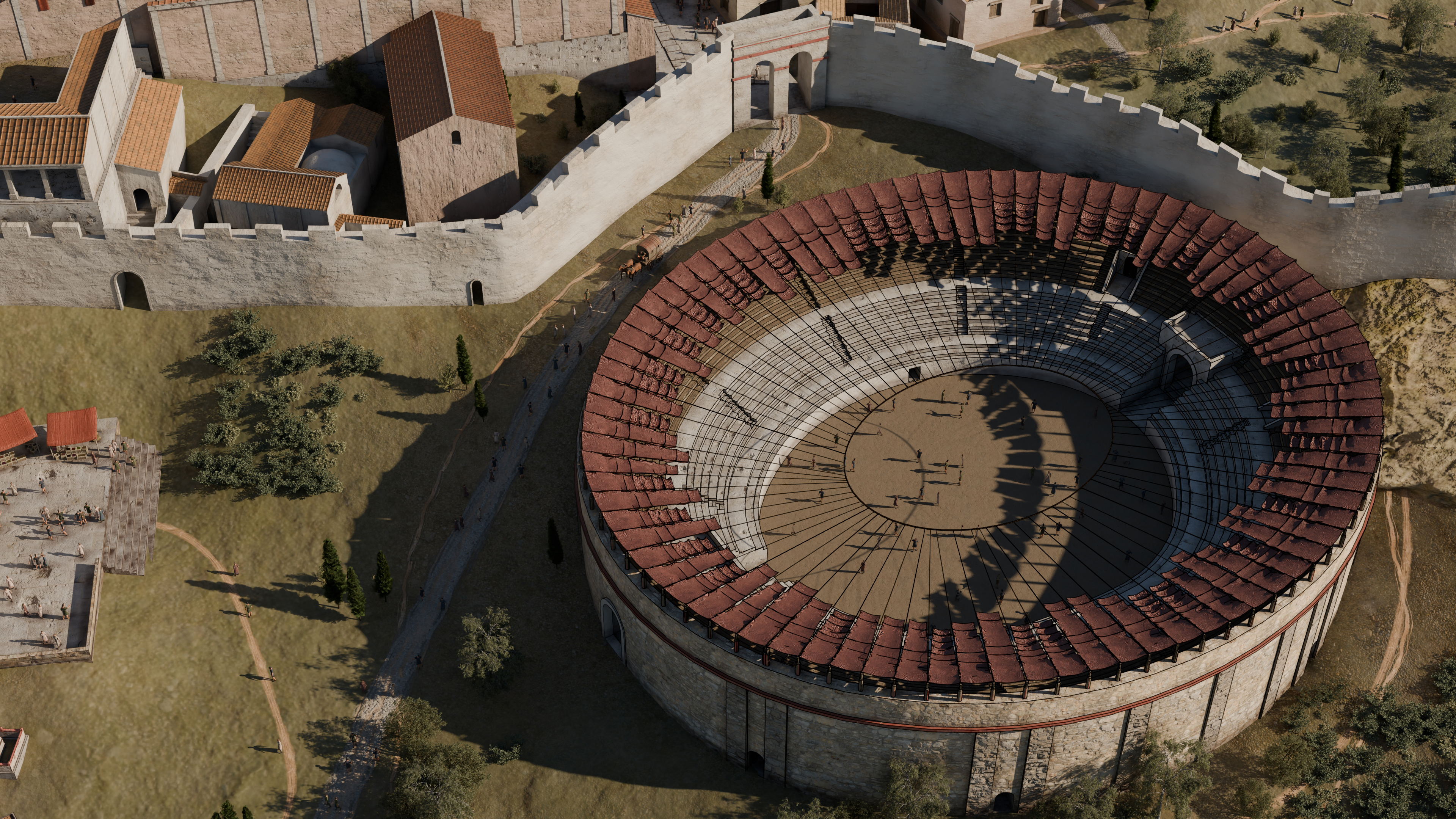
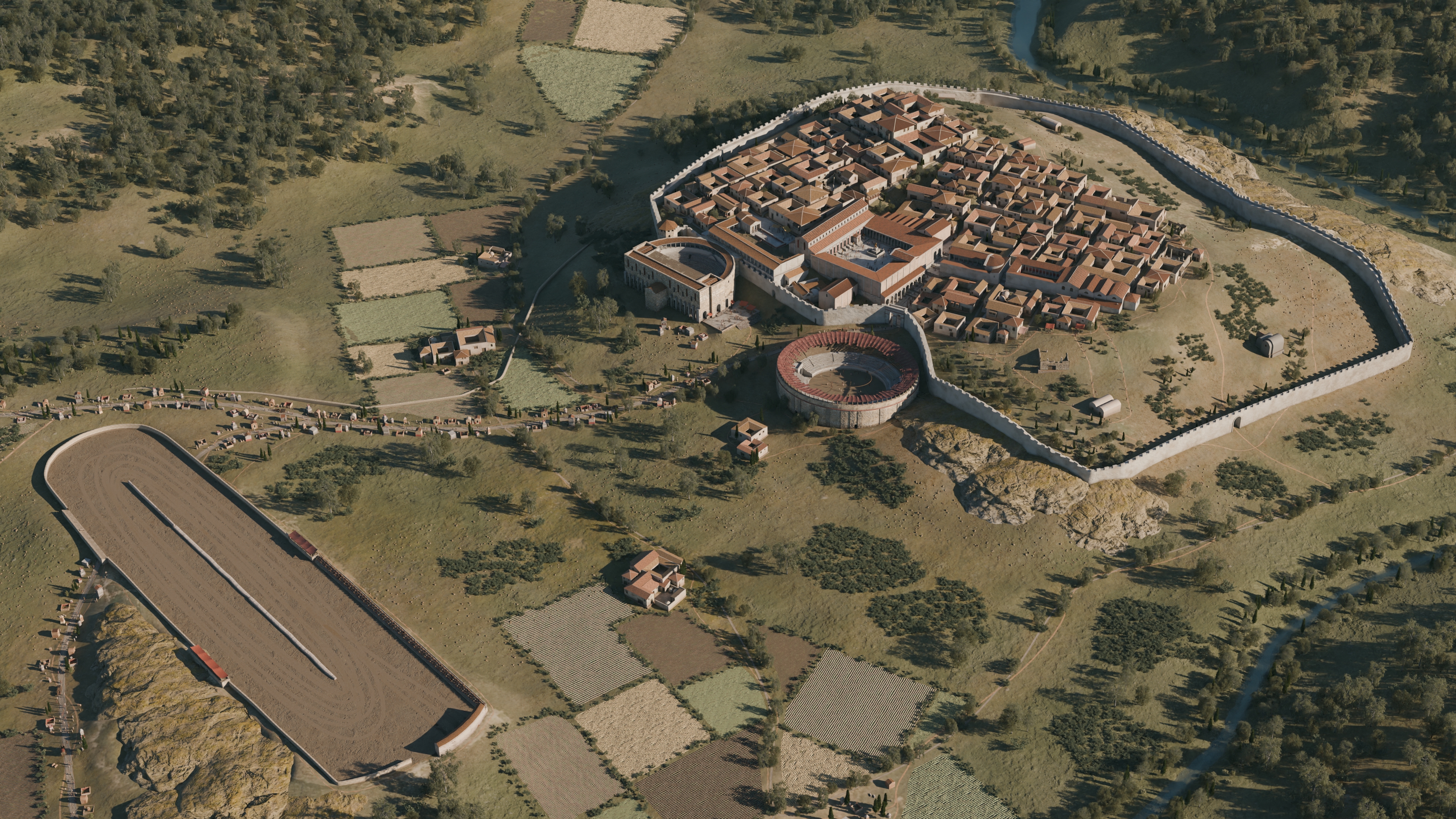
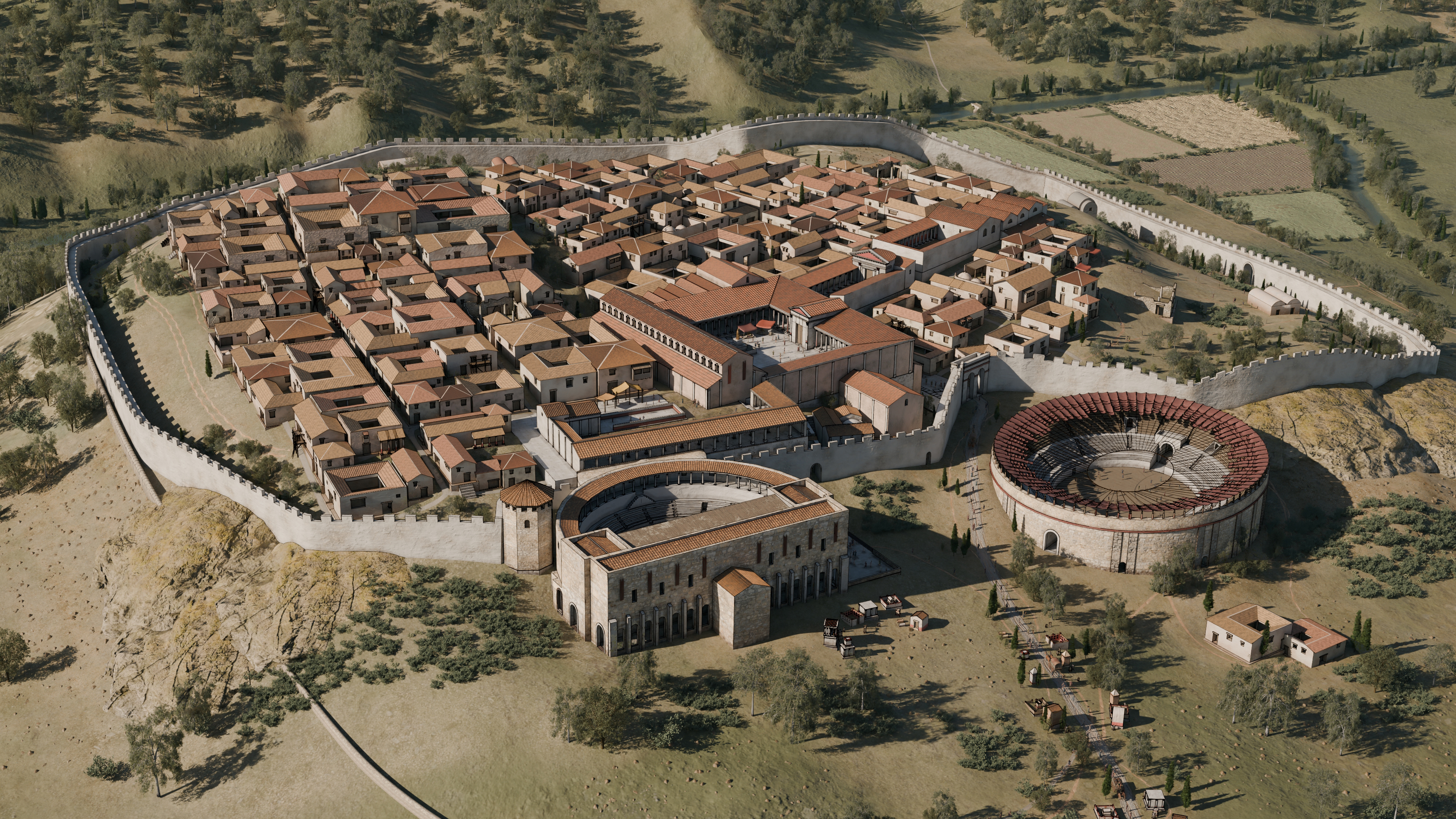
The 2nd century A.D. marked the peak of Segóbriga’s architectural splendor. During this time, several monumental public buildings were constructed. These buildings reflected the city’s Romanization and its integration into the Empire.
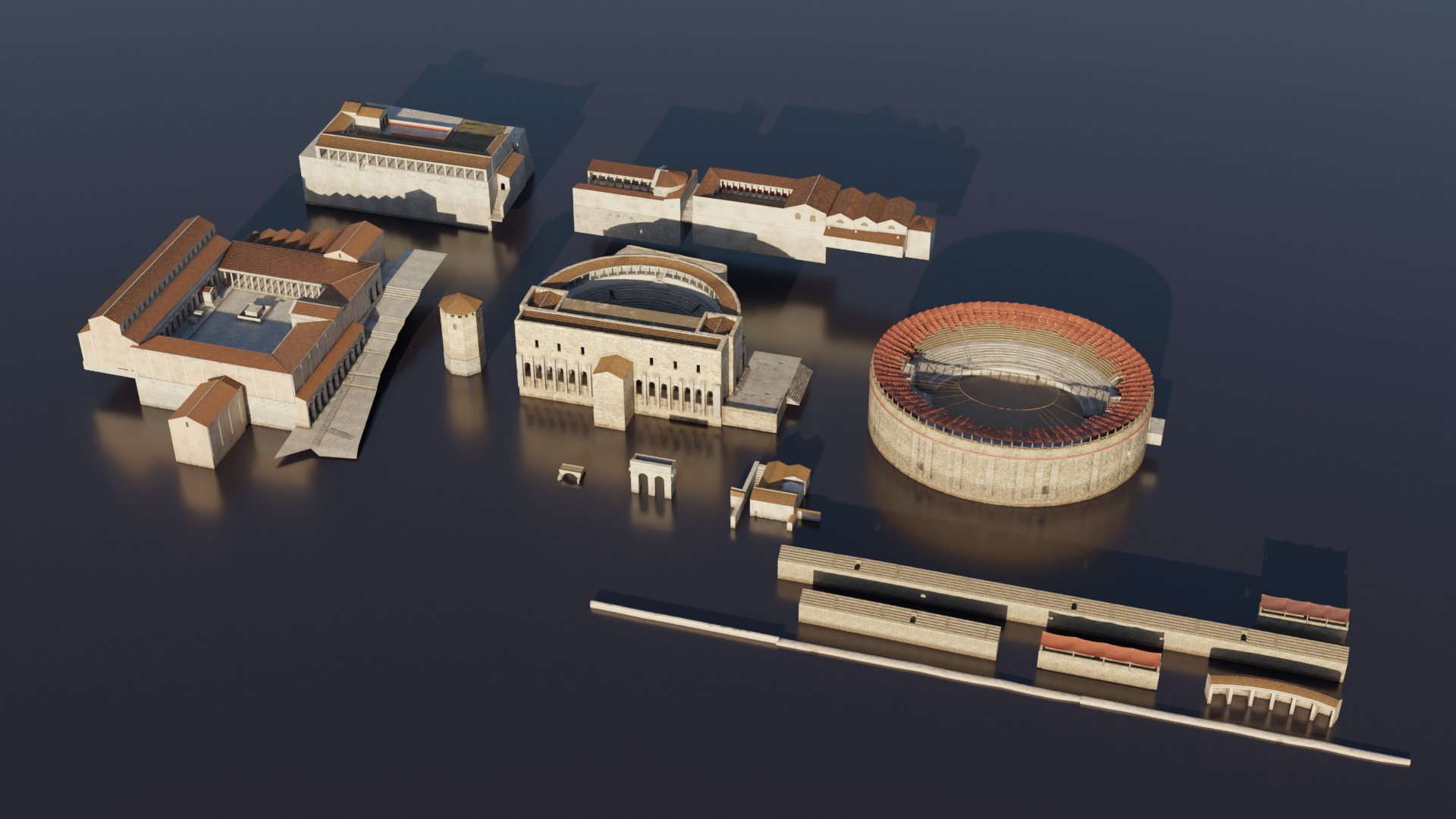
Modelos aportados por Pablo Aparicio Reasco https://www.artstation.com/archeopablo 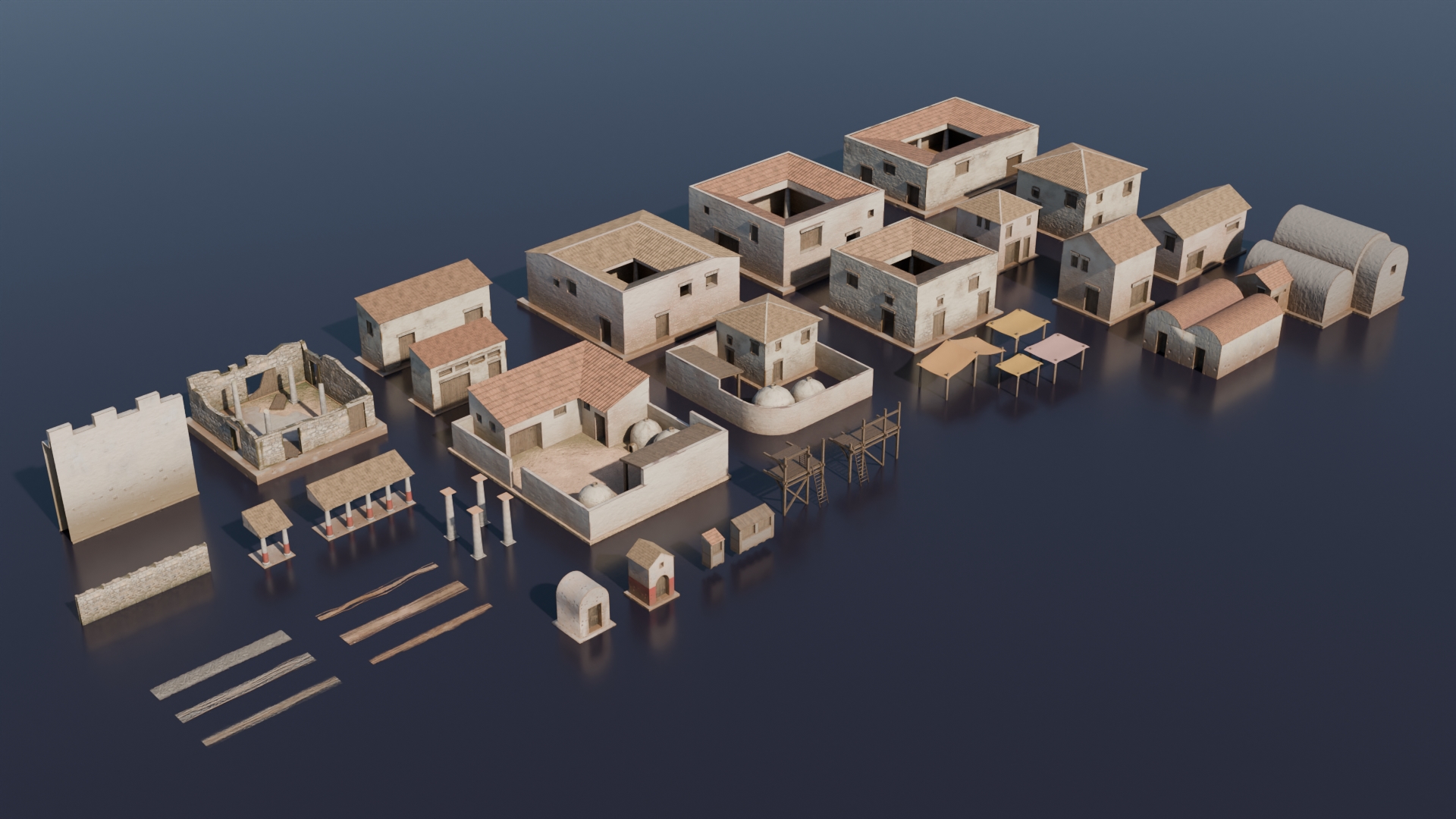
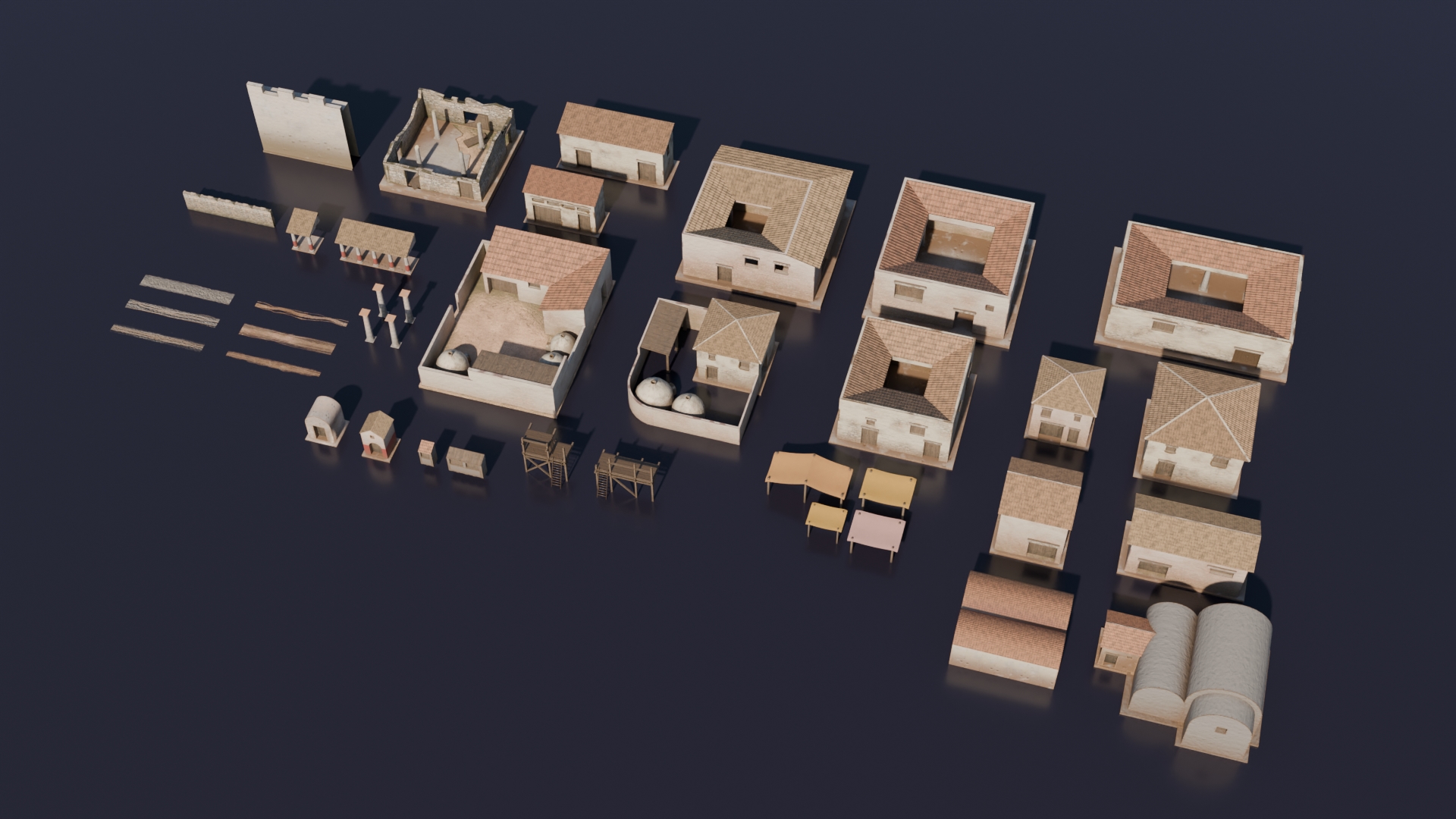
Modelos aportados por Pablo Aparicio Reasco https://www.artstation.com/archeopablo 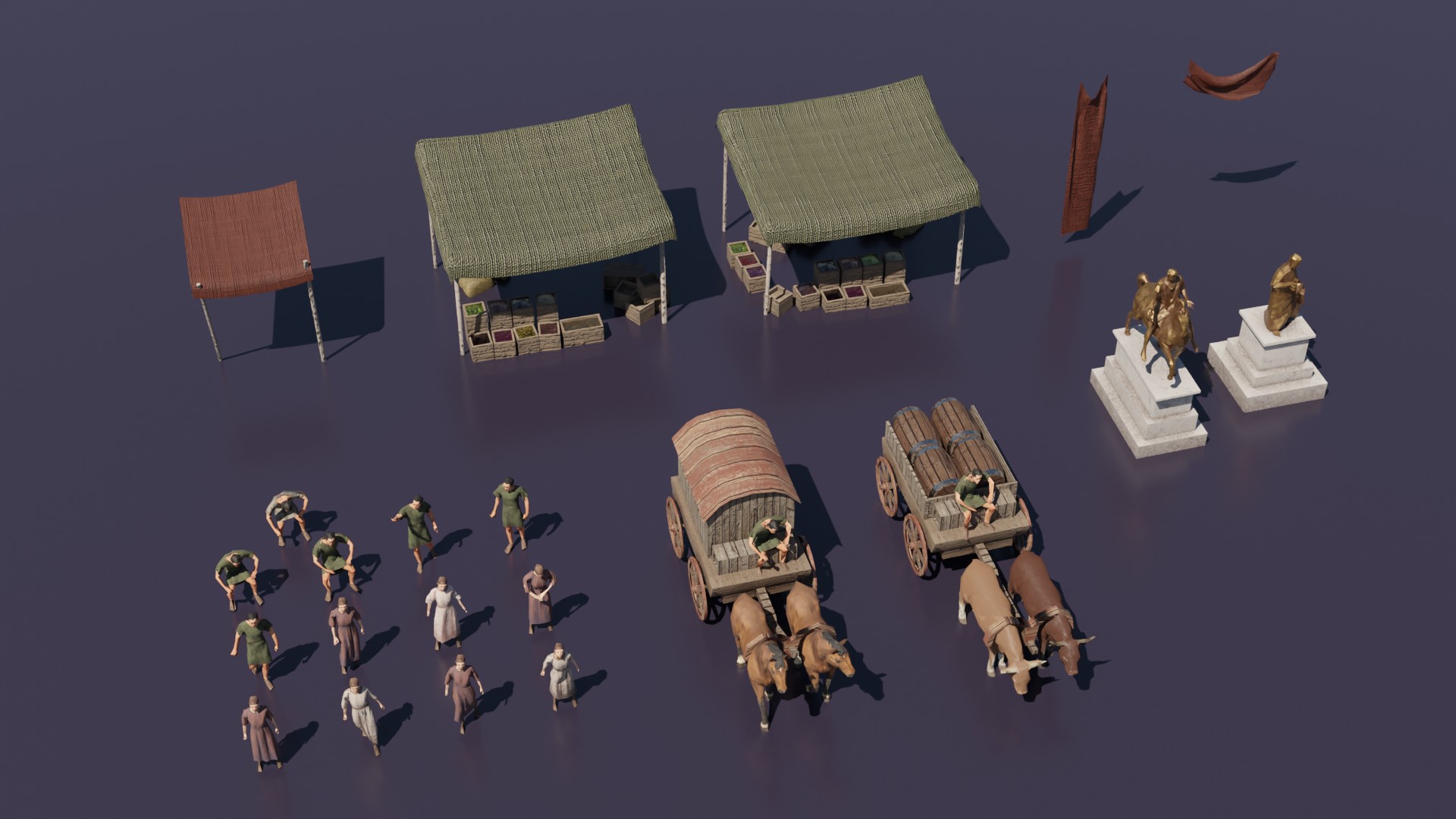
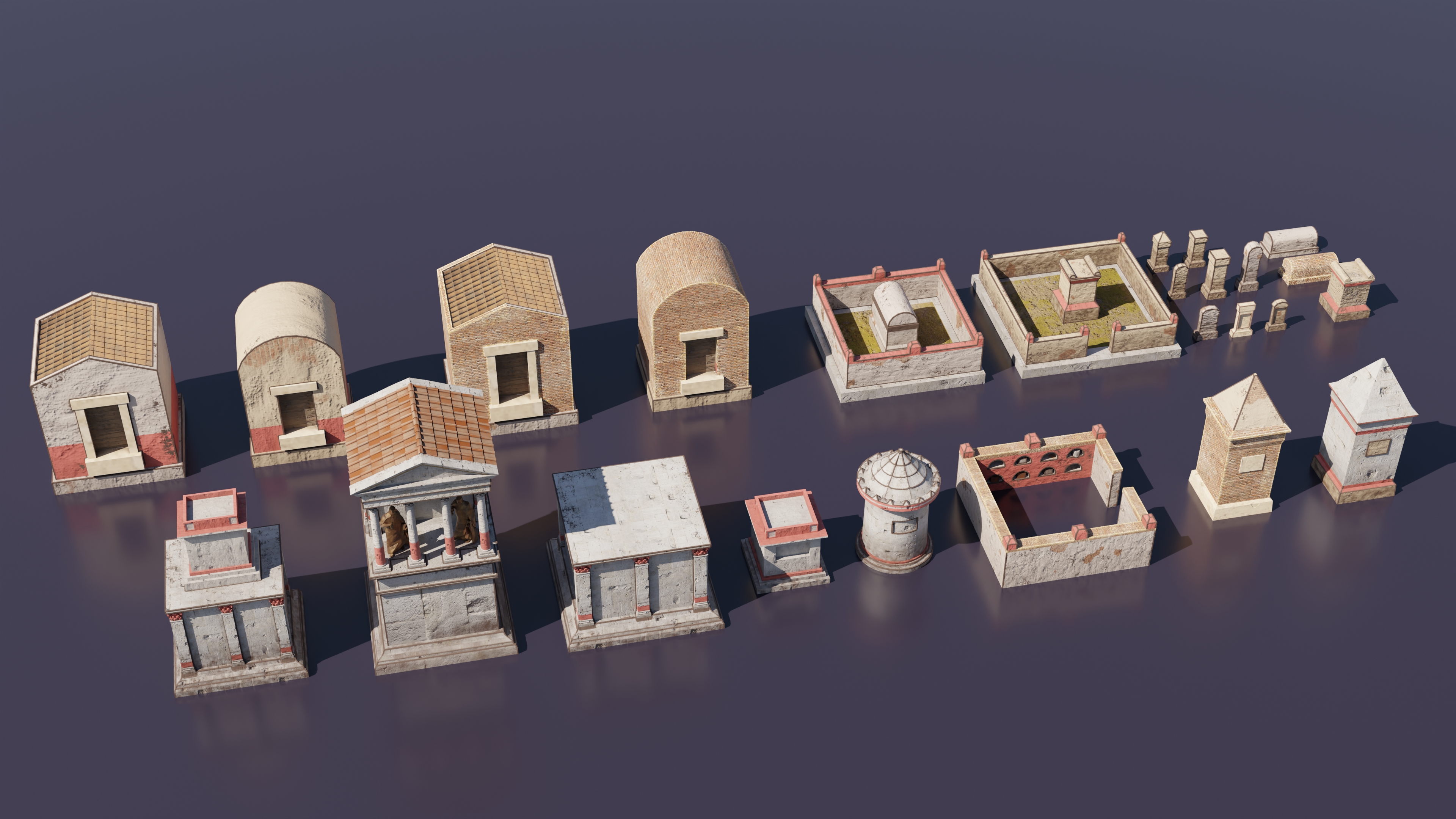
Modelos aportados por Pablo Aparicio Reasco https://www.artstation.com/archeopablo
Buildings in their context
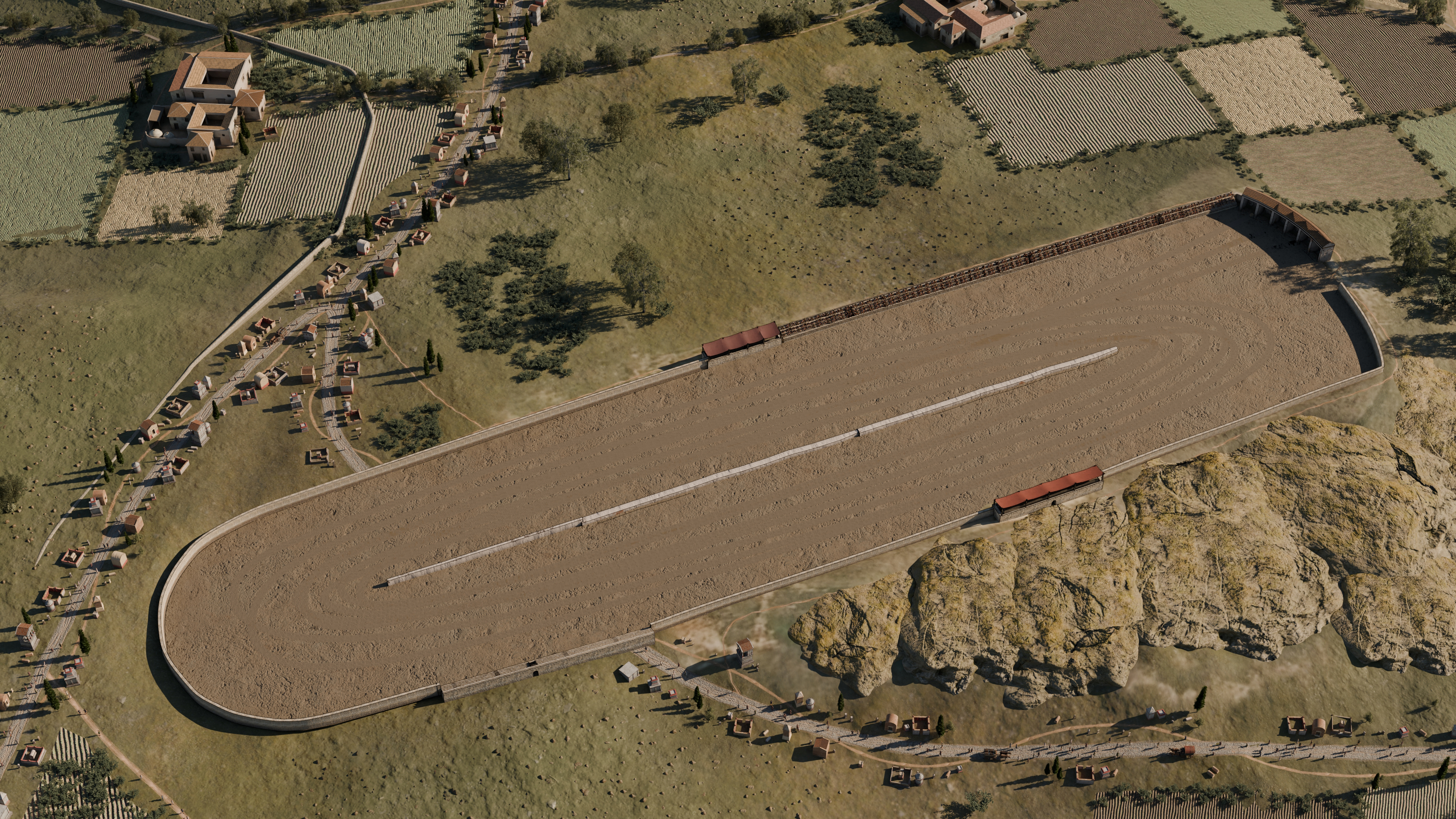
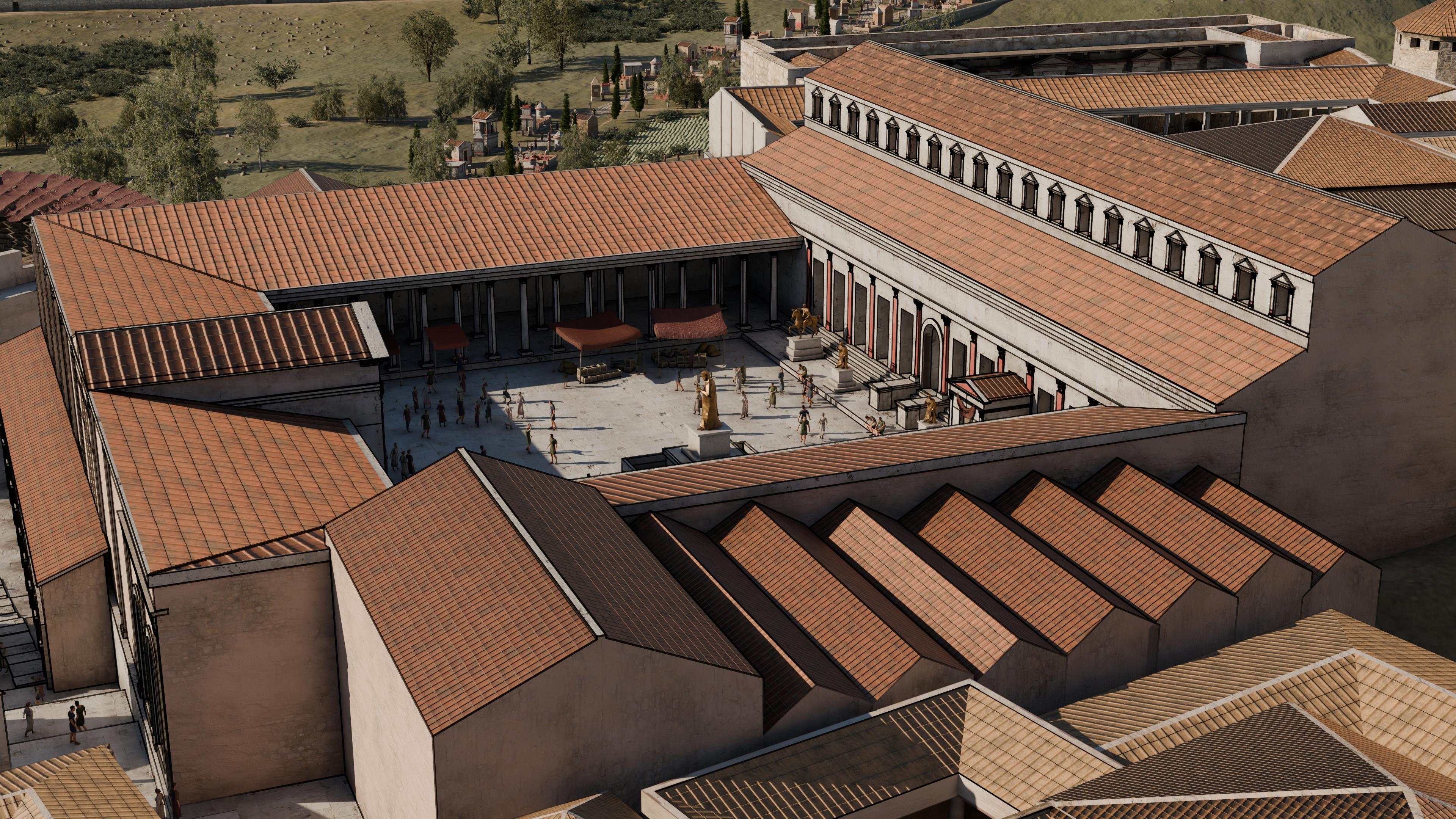
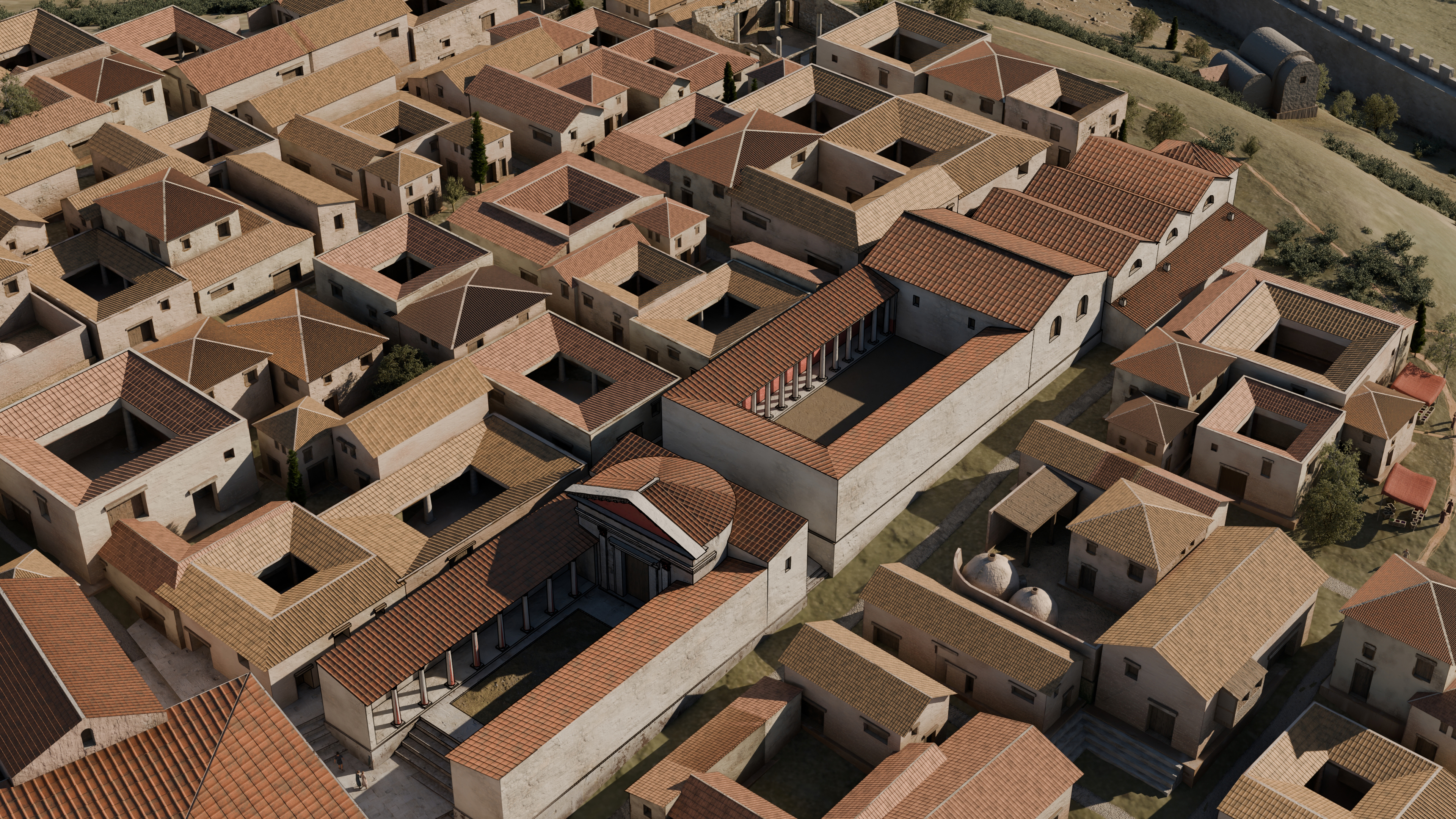
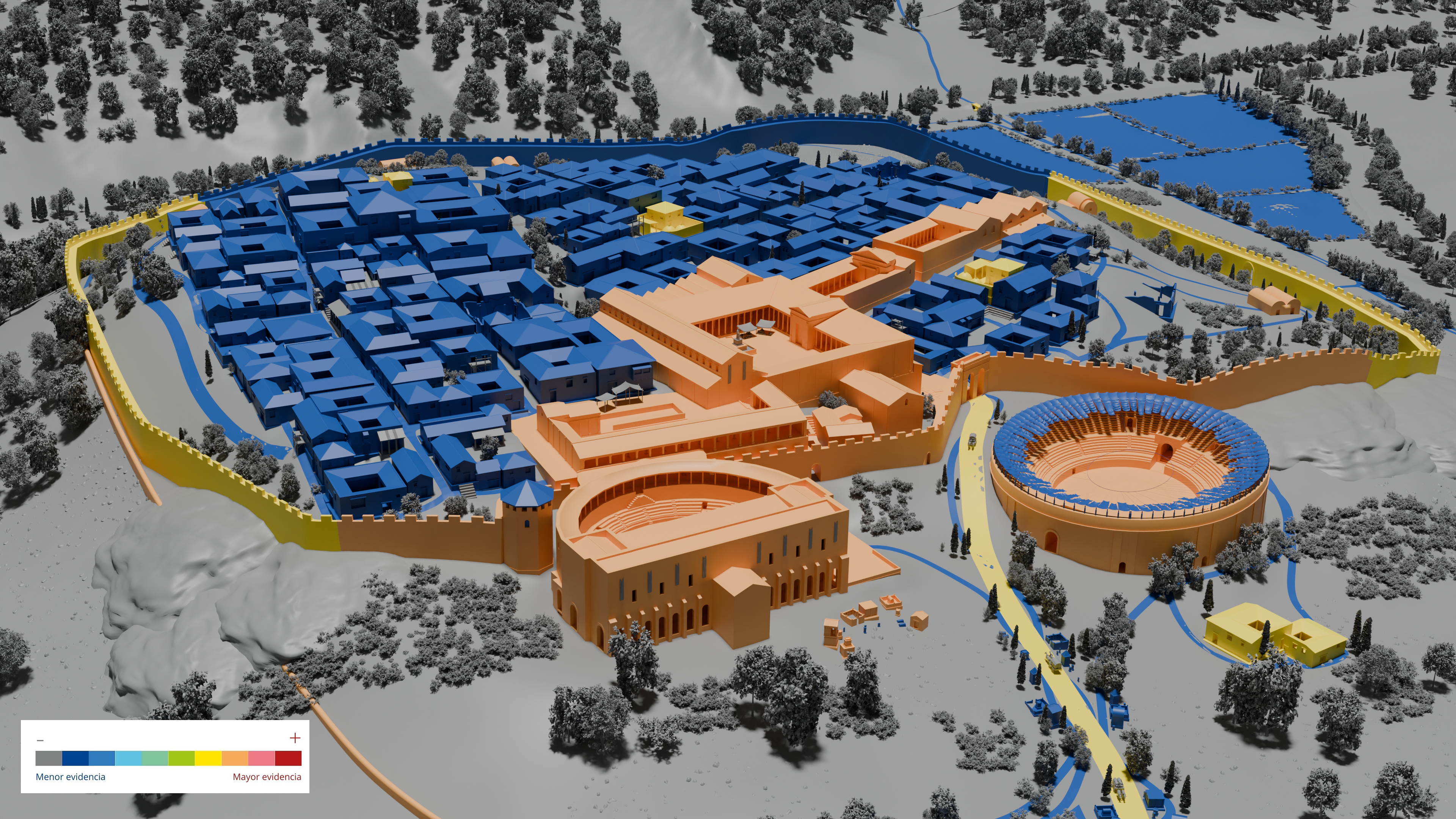
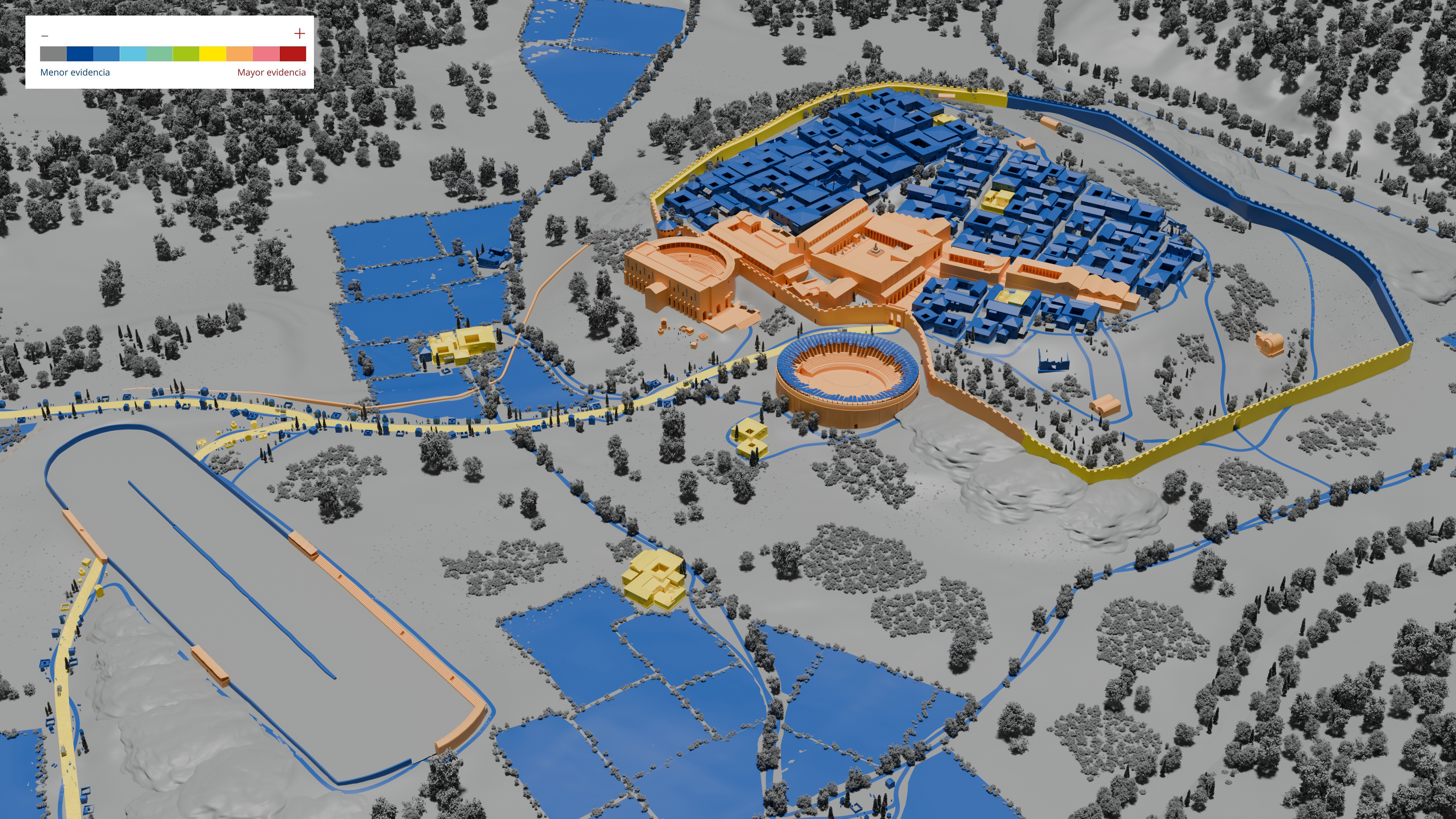
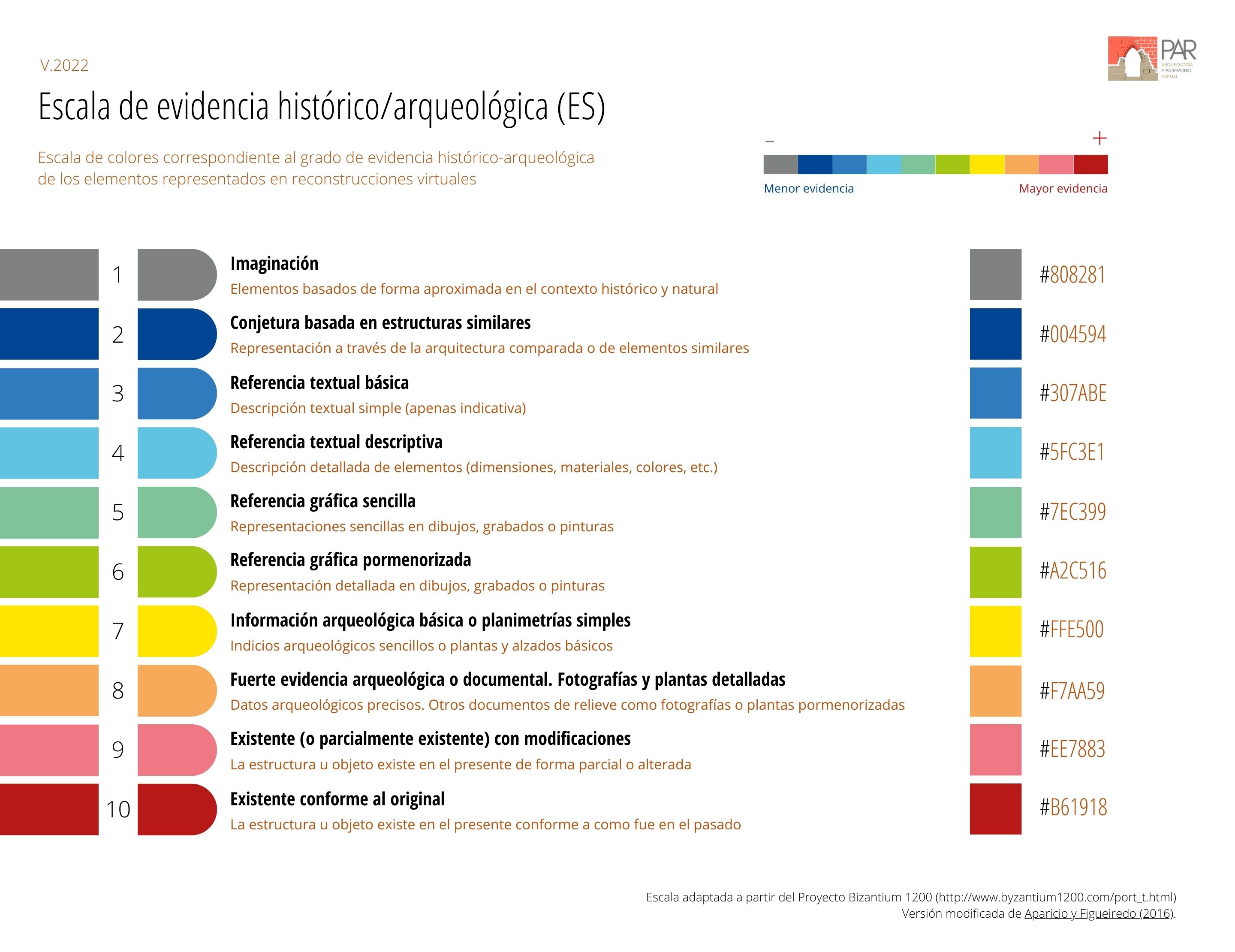
Historical-archaeological evidence scale
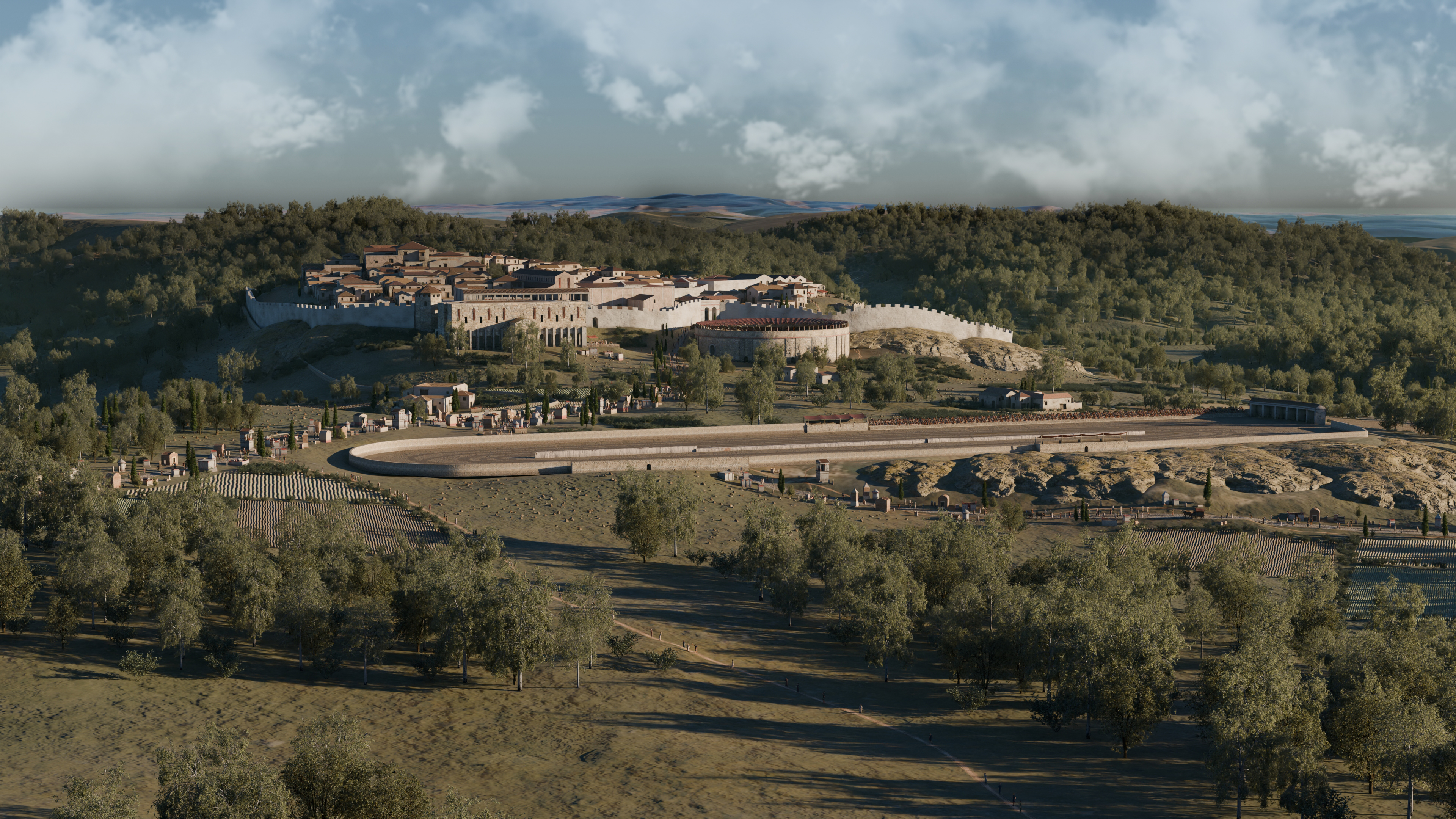
Renders of Segóbriga
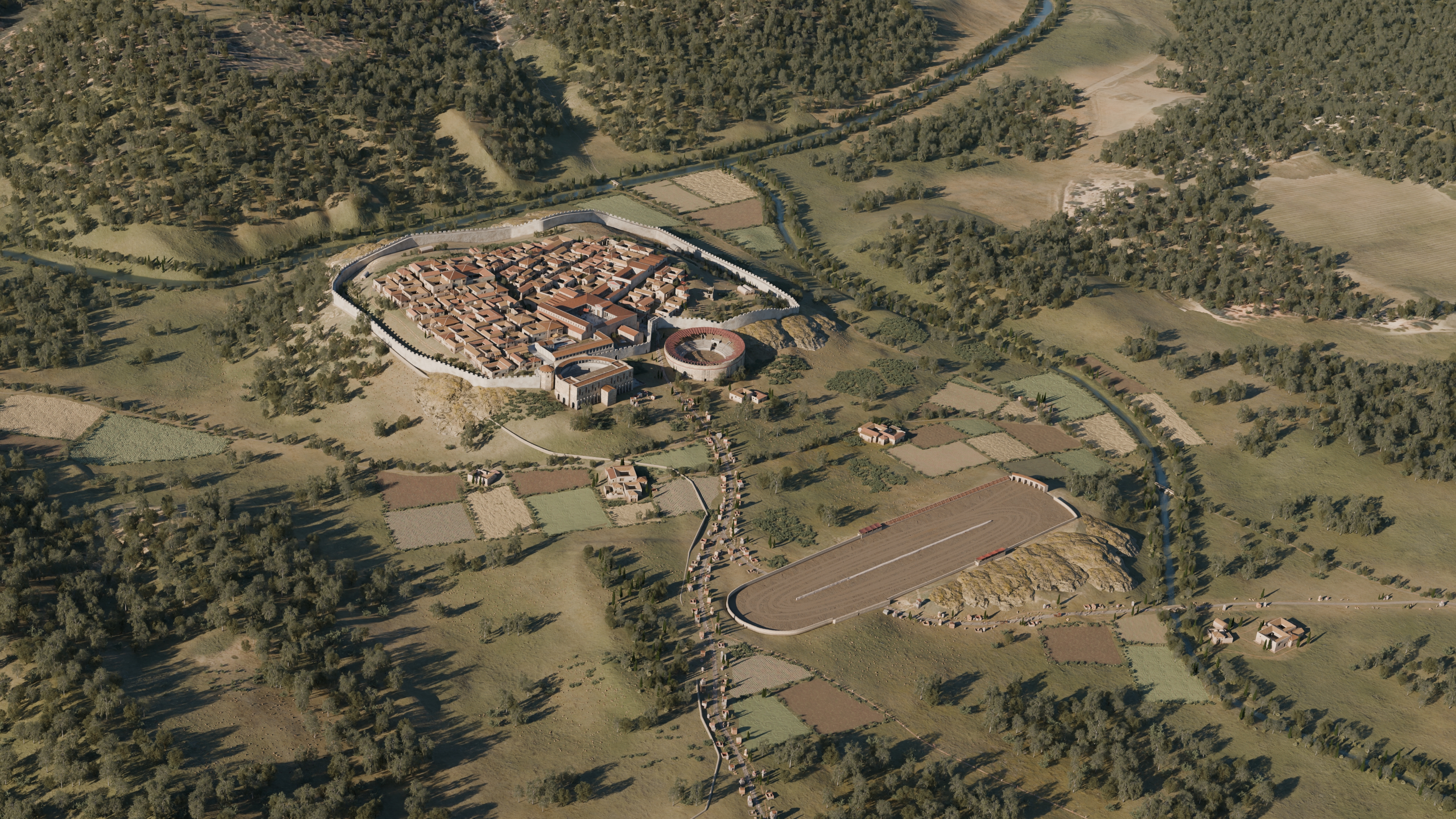
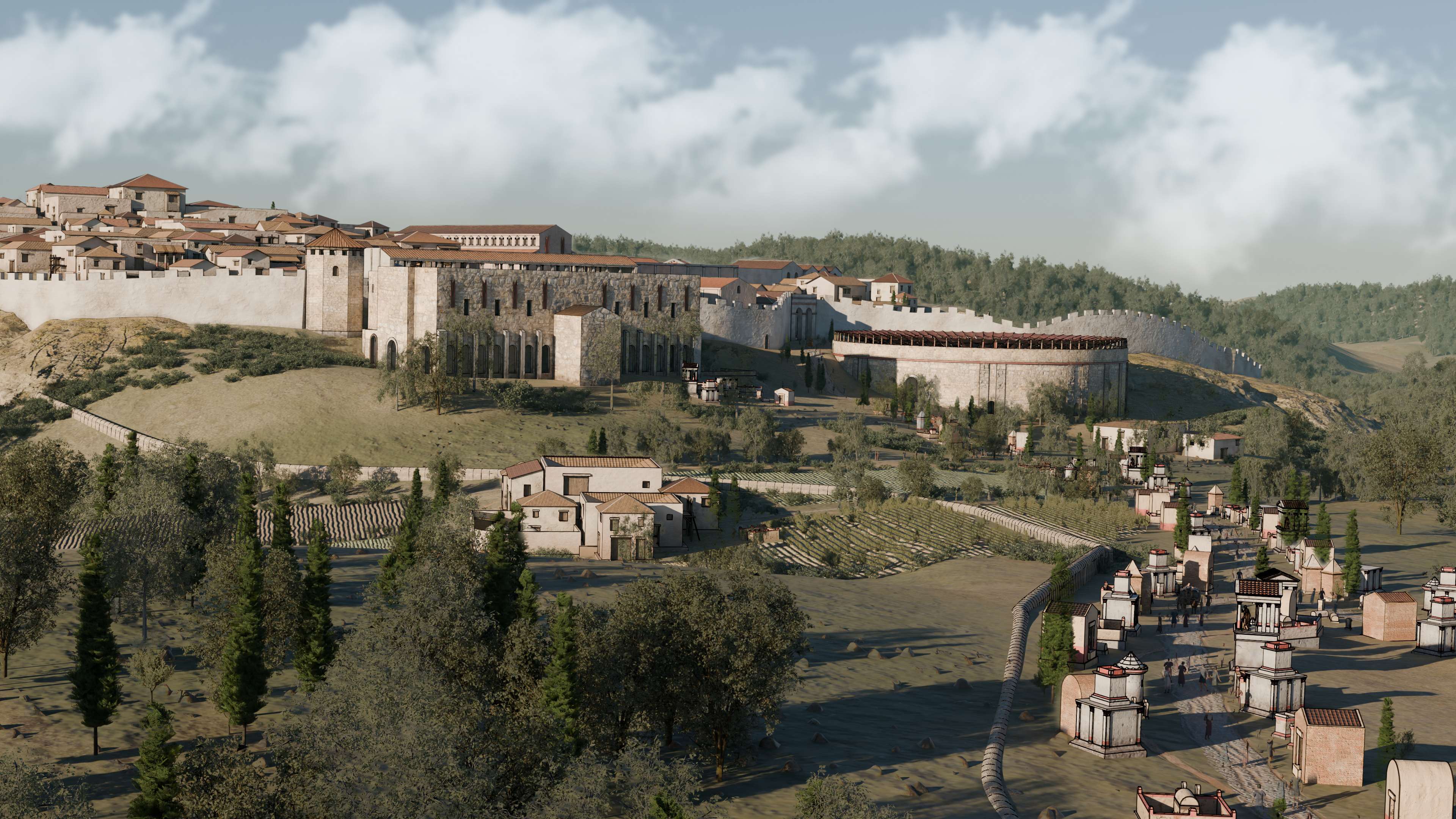
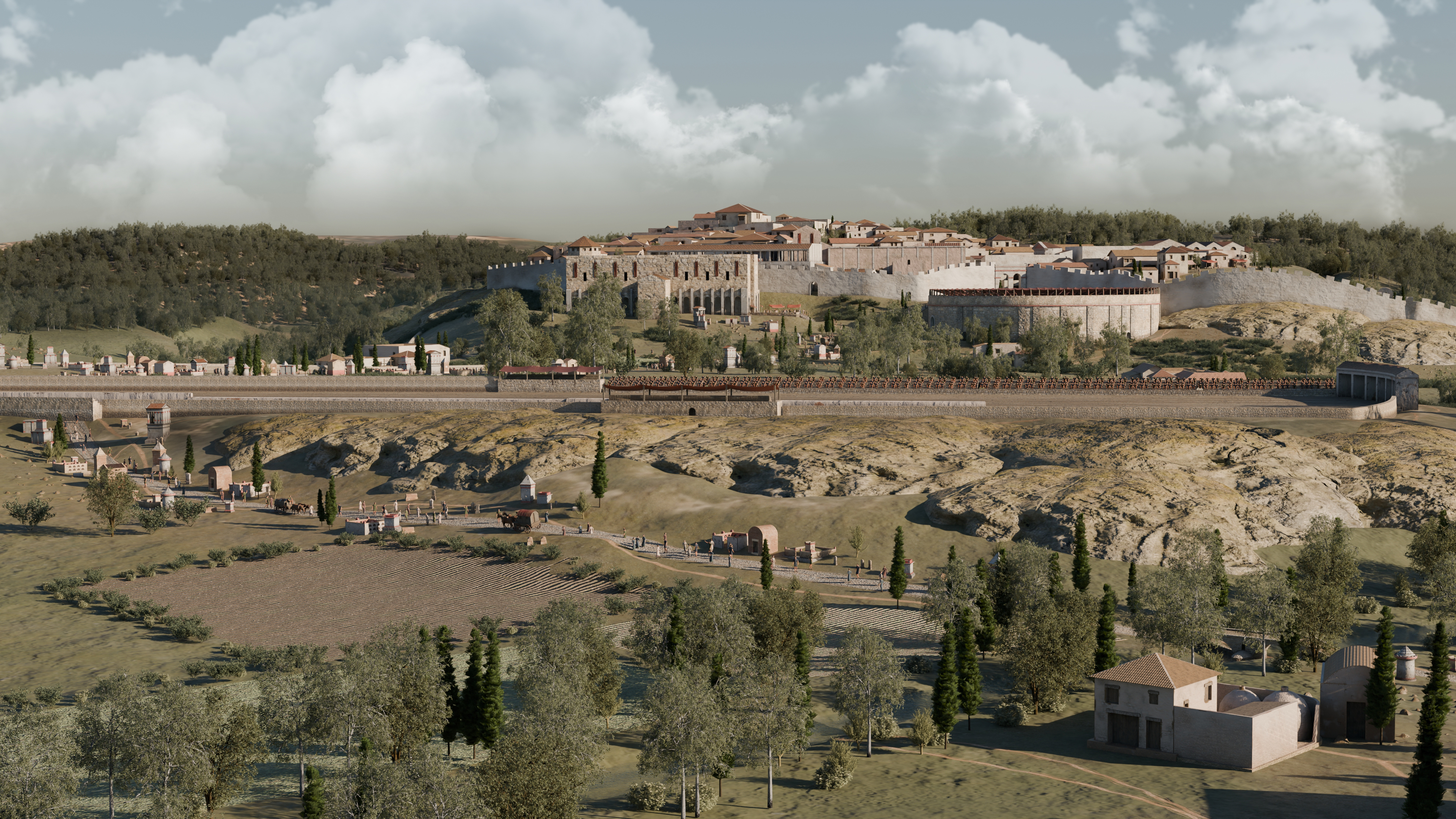
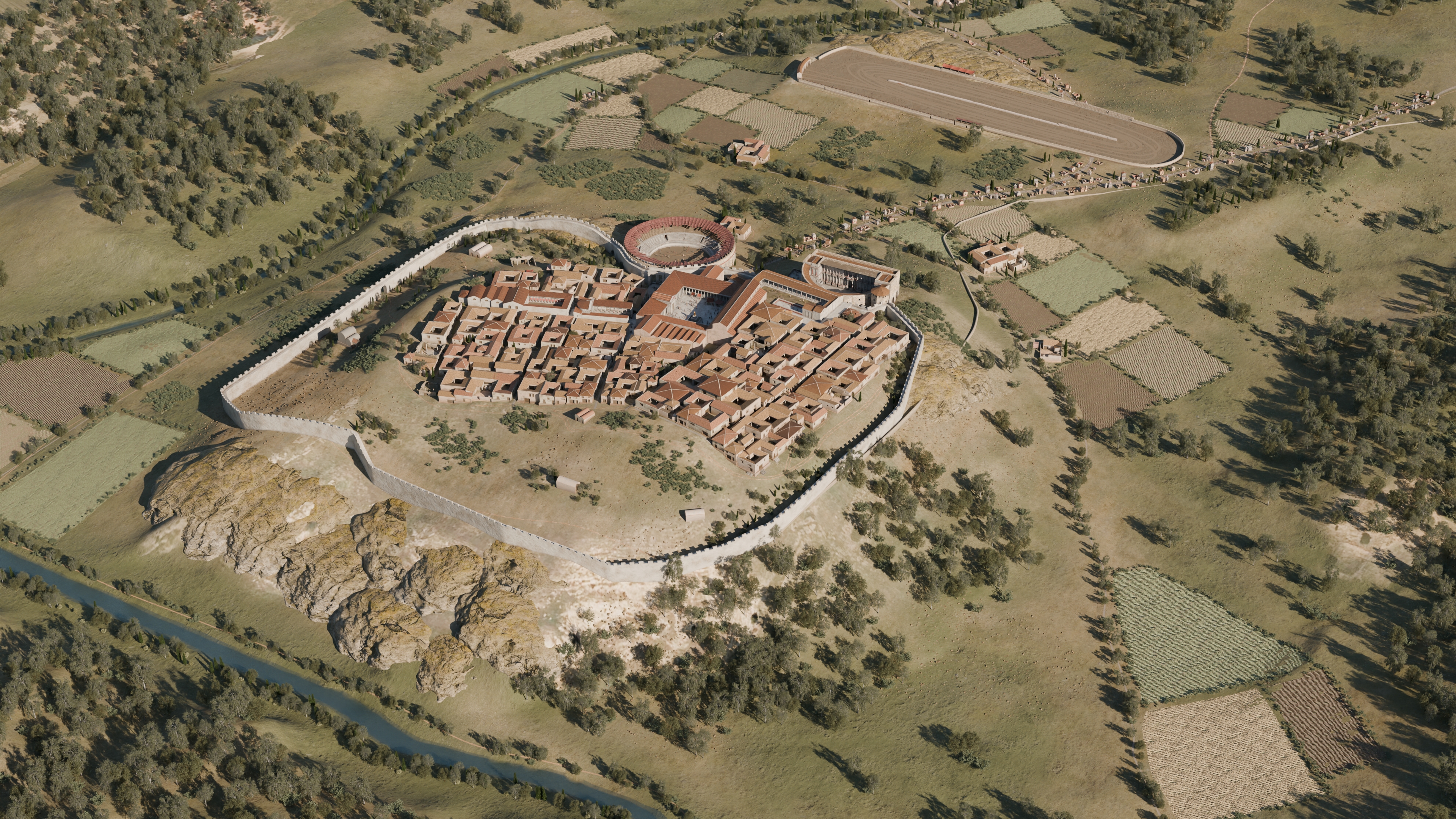
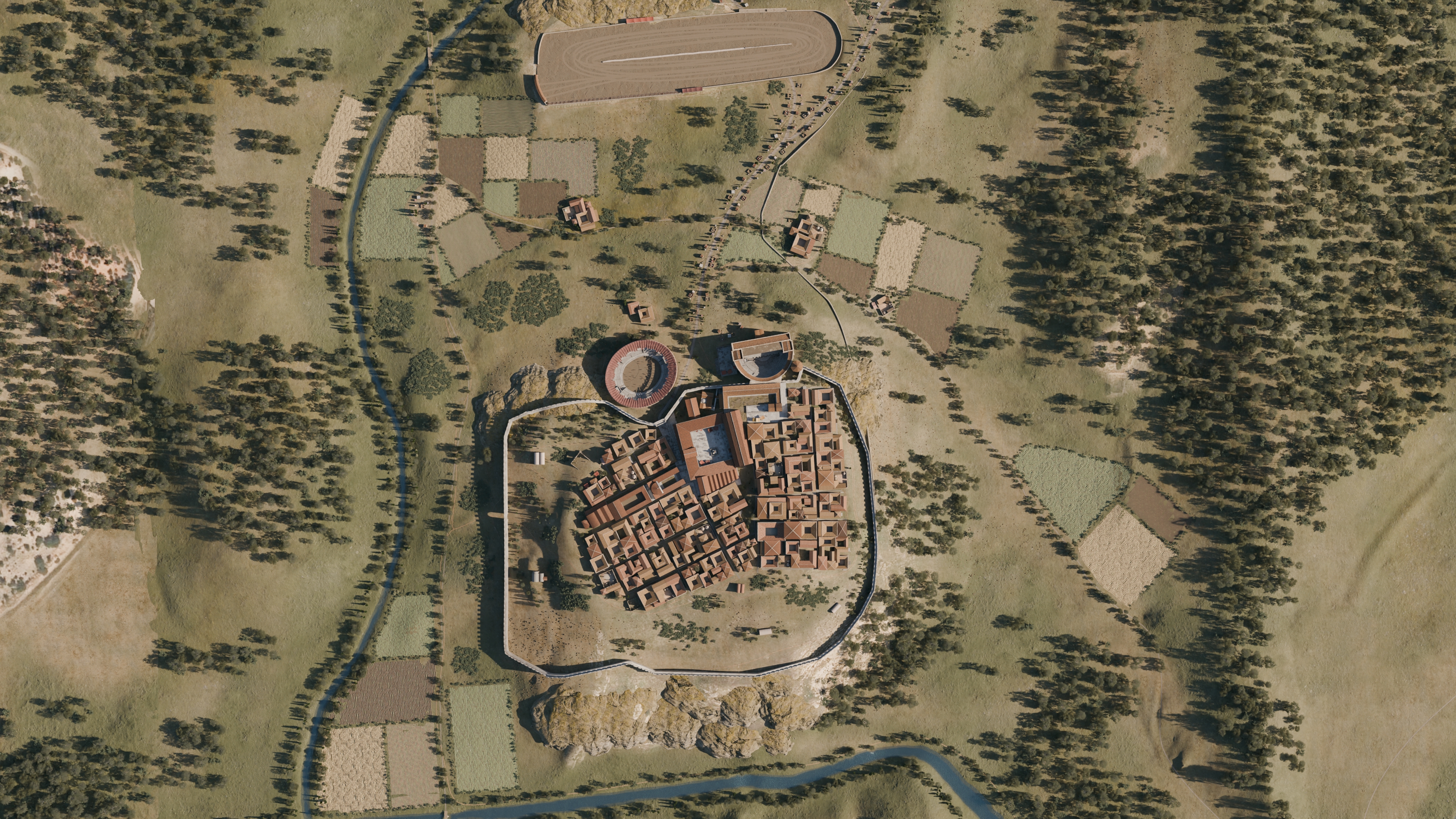
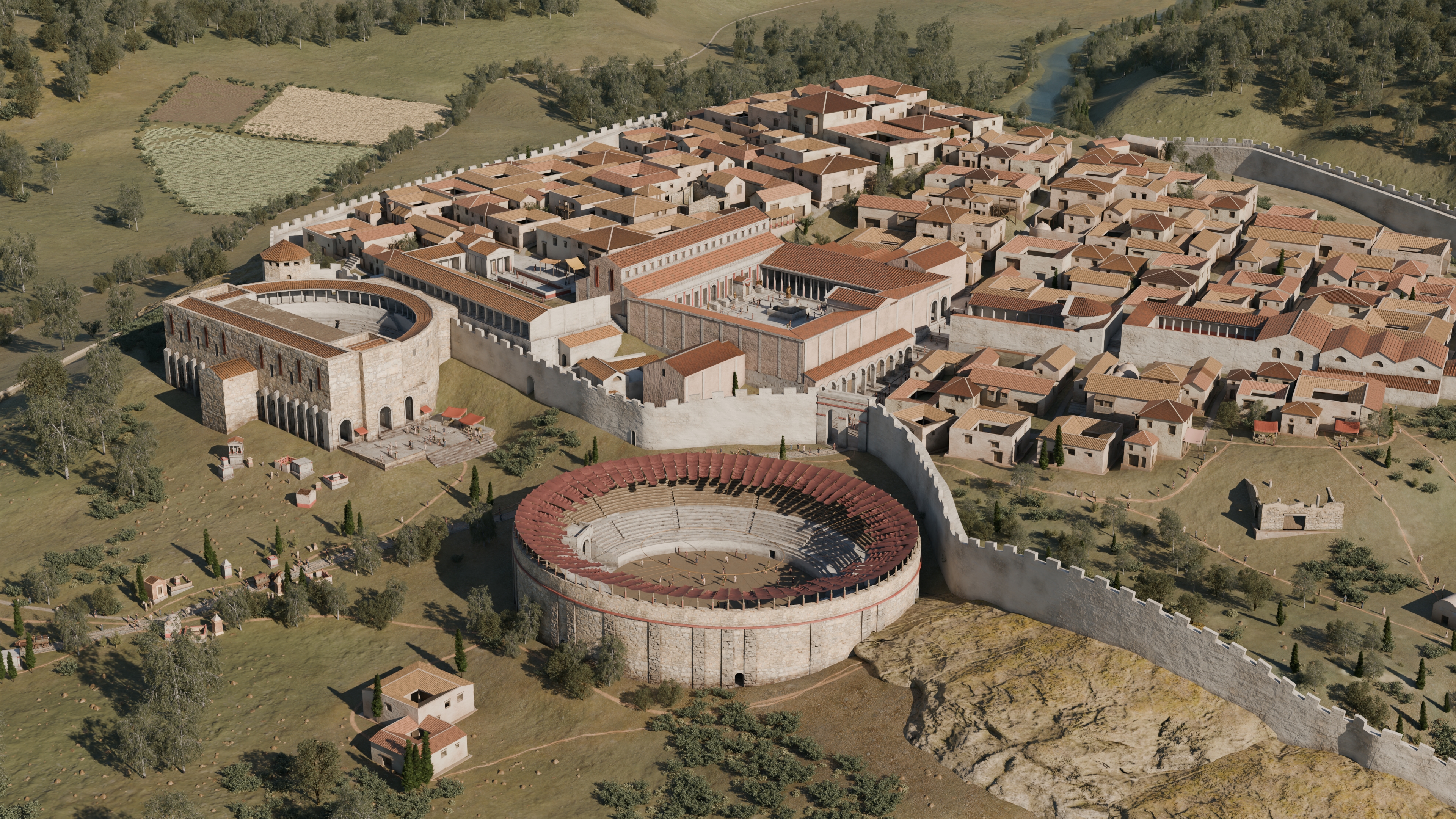
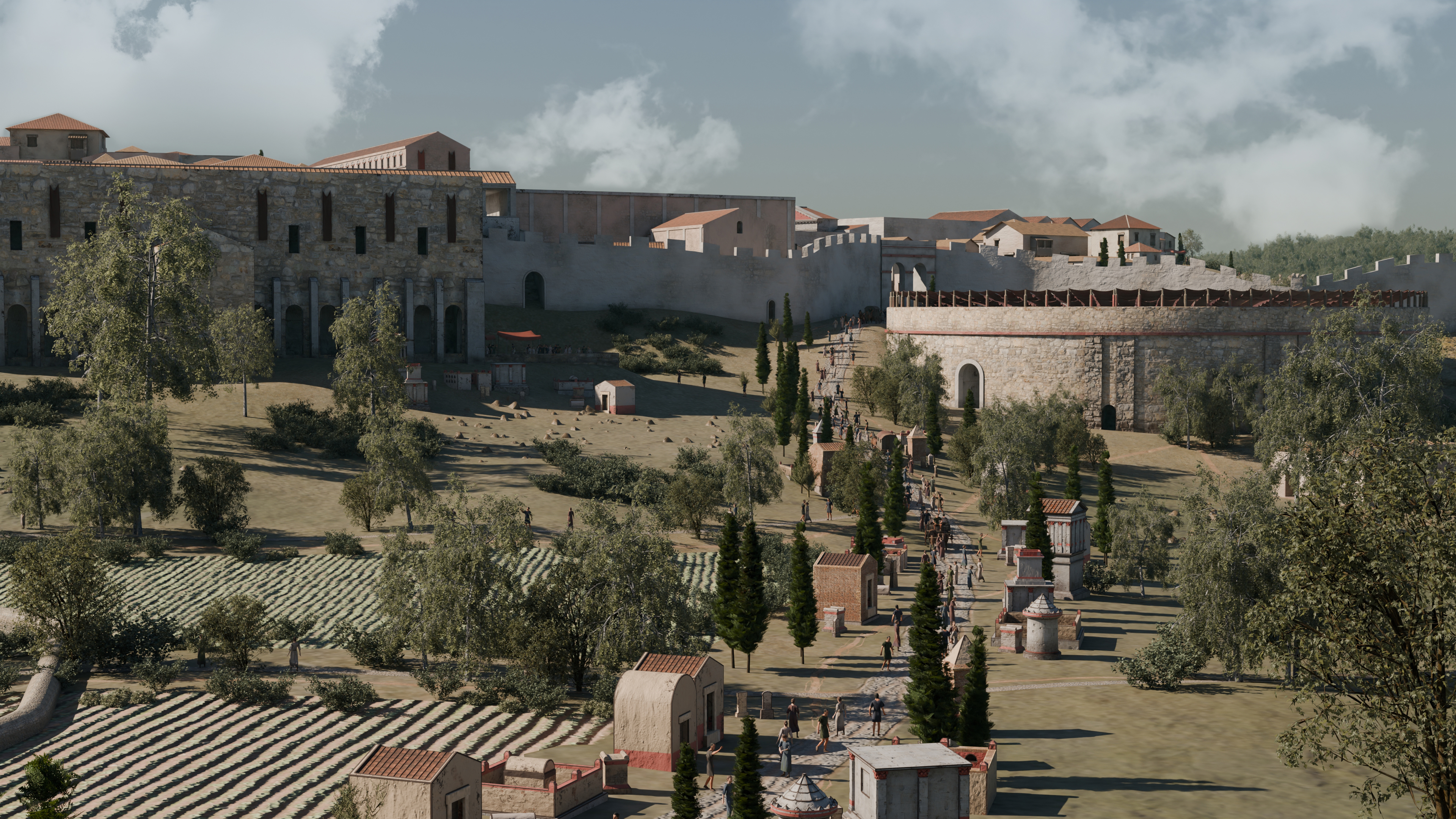
Final Project for the Course of KORE
3D Recreation of Historic Cities with Blender (5ed)
Teacher: Pablo Aparicio Resco
Programs: Blender, QGIS, and Photoshop.
Used models of:
Pablo Aparicio Resco
 Work Portfolio
Leave a comment