
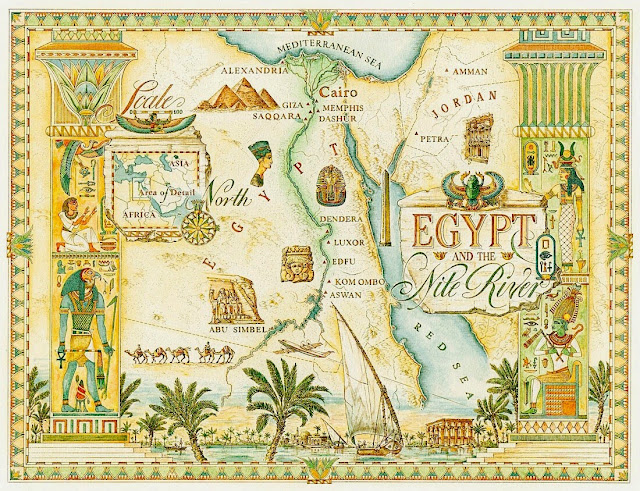
Elephantine is an island in the Nile, which is part of the city of Aswan in Upper Egypt. The island’s archaeological sites were inscribed on the UNESCO World Heritage List in 1979 along with other examples of Upper Egyptian architecture, including Abu Simbel and Philae.
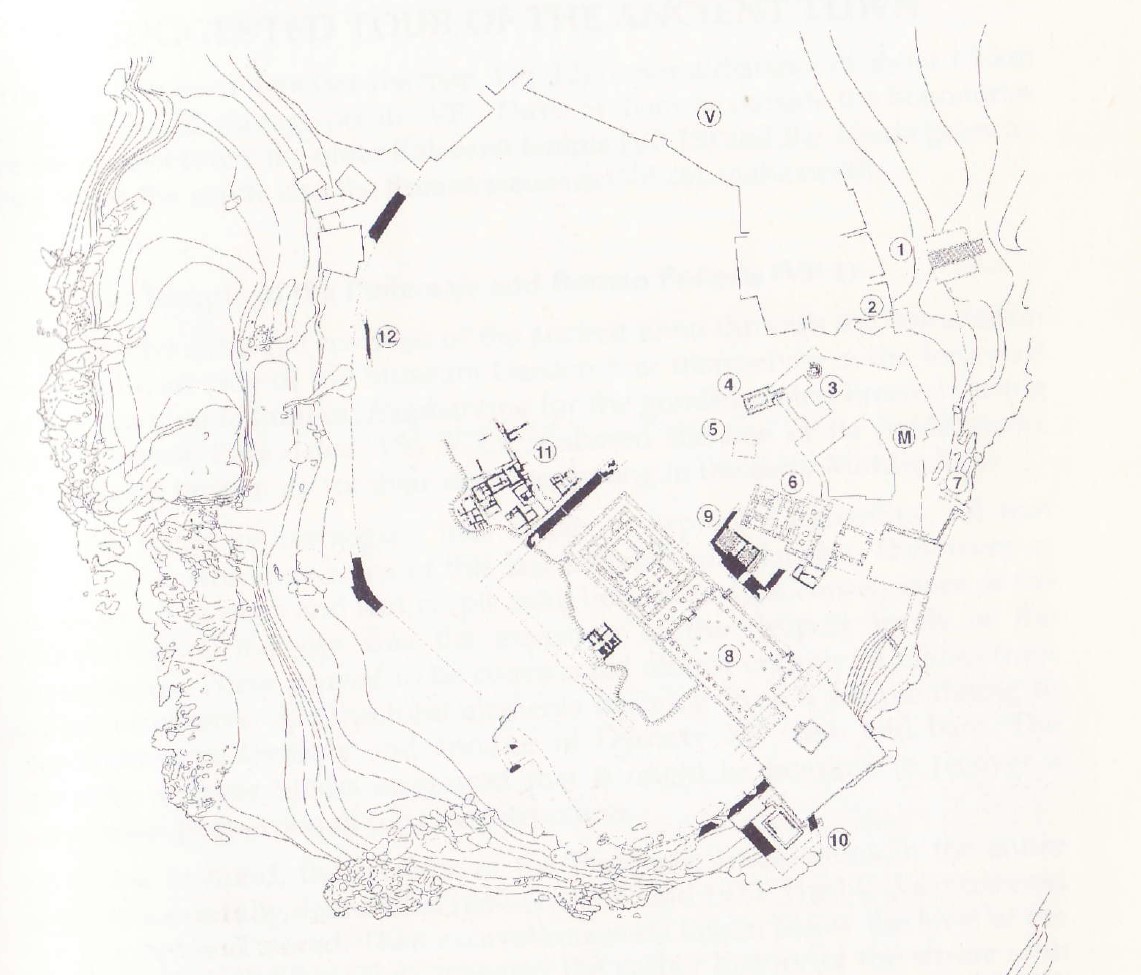
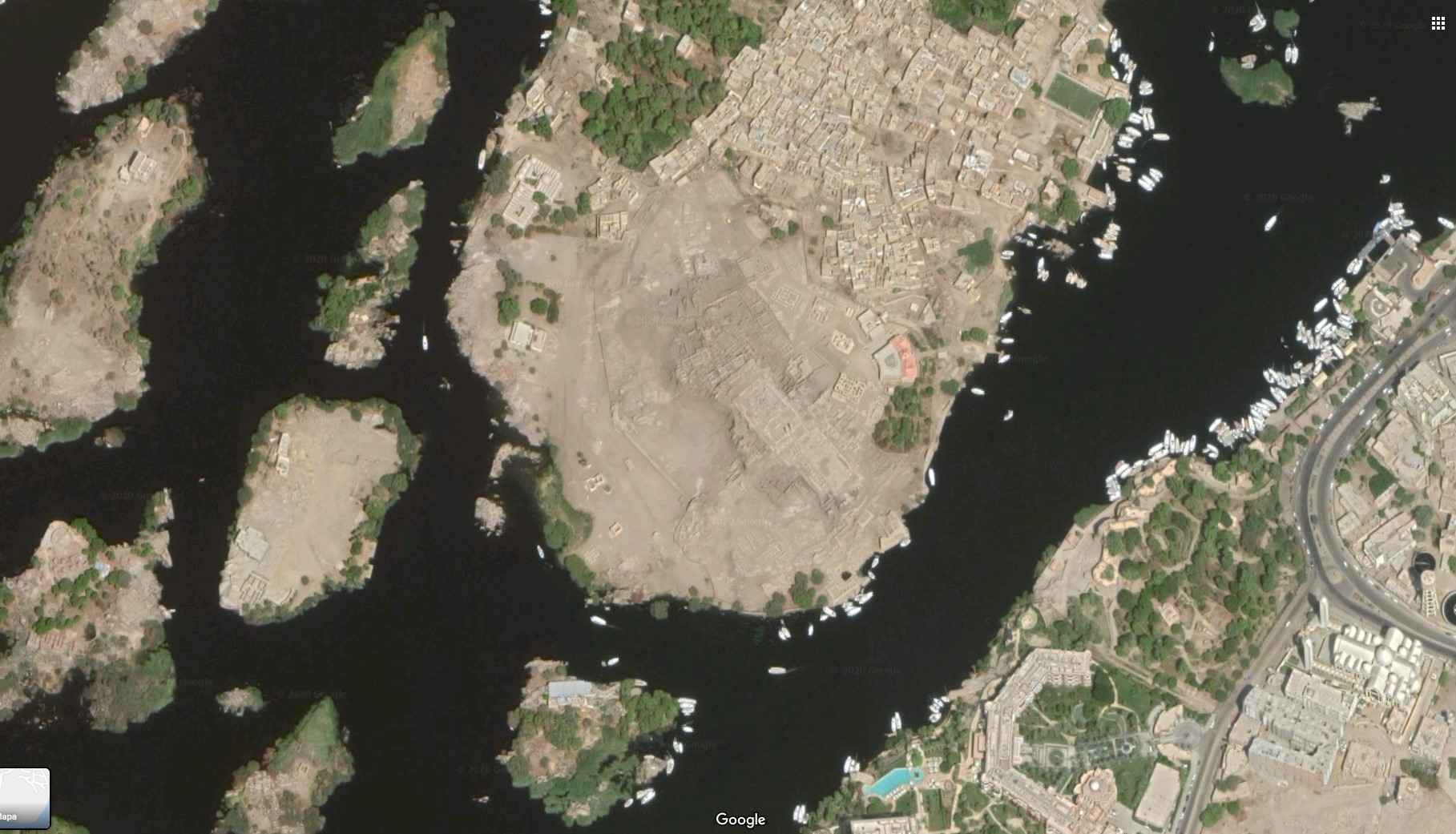
Elephantine measures 1,200 meters (3,900 feet) from north to south and 400 meters (1,300 feet) wide at its widest point. The layout of this and other nearby islands in Aswan can be seen from the slopes of the west bank along the Nile. The island is located downstream of the First Cataract, on the southern border of Upper Egypt with Lower Nubia. This upper region is known as Upper Egypt because it is higher up the Nile.
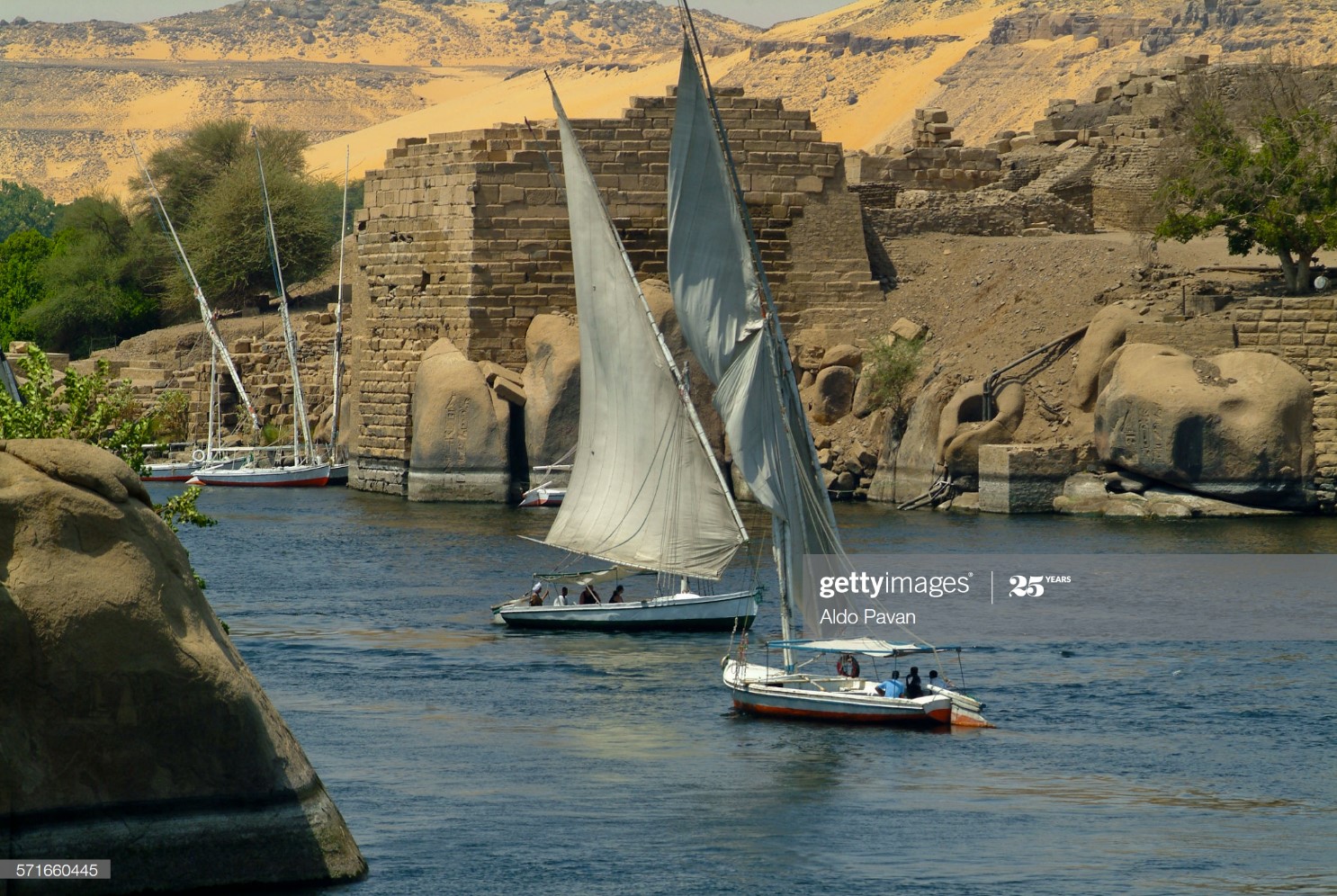
Photographic and historical references
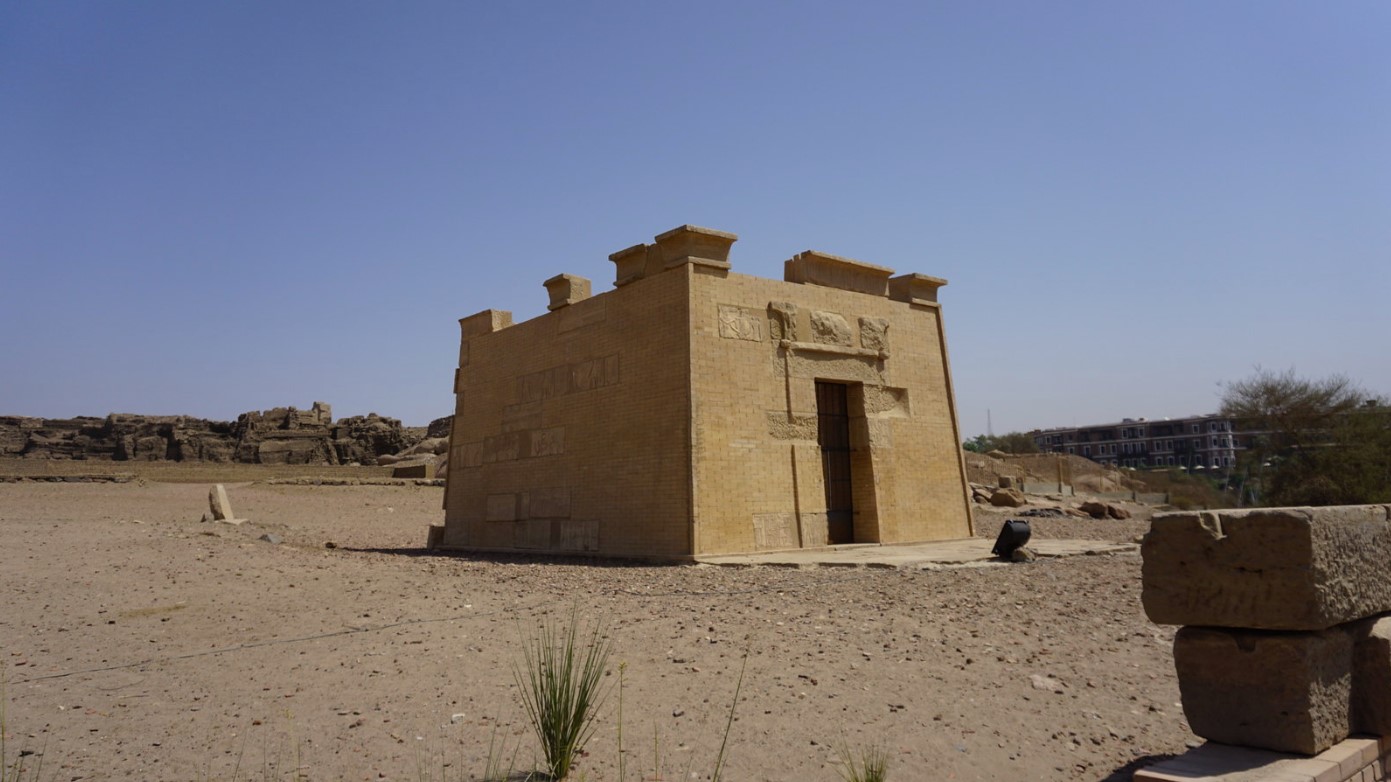
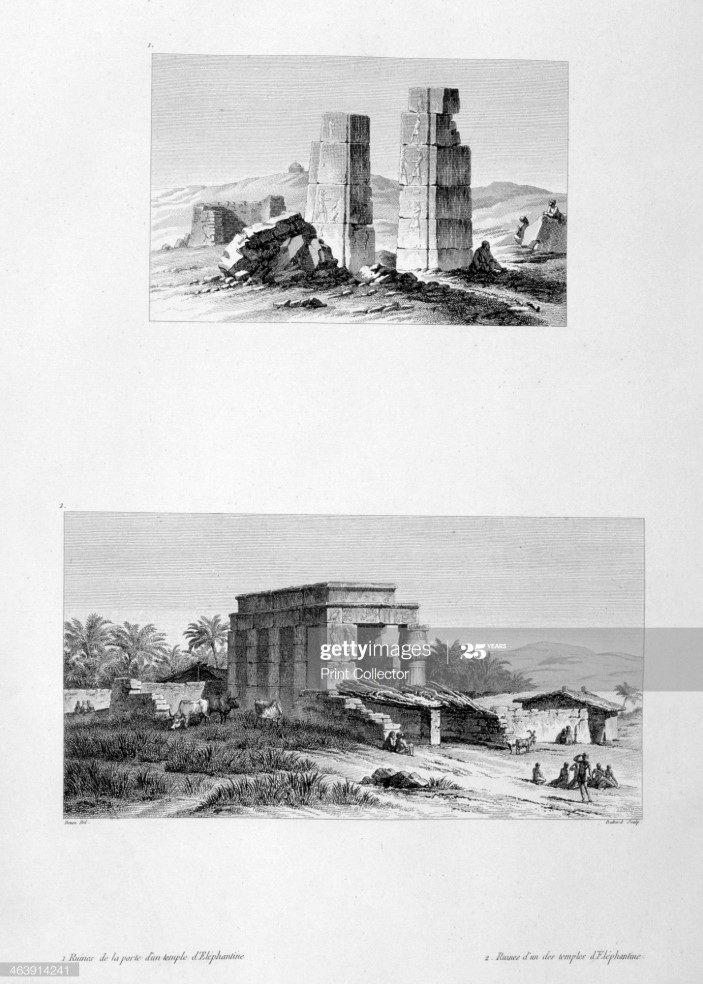
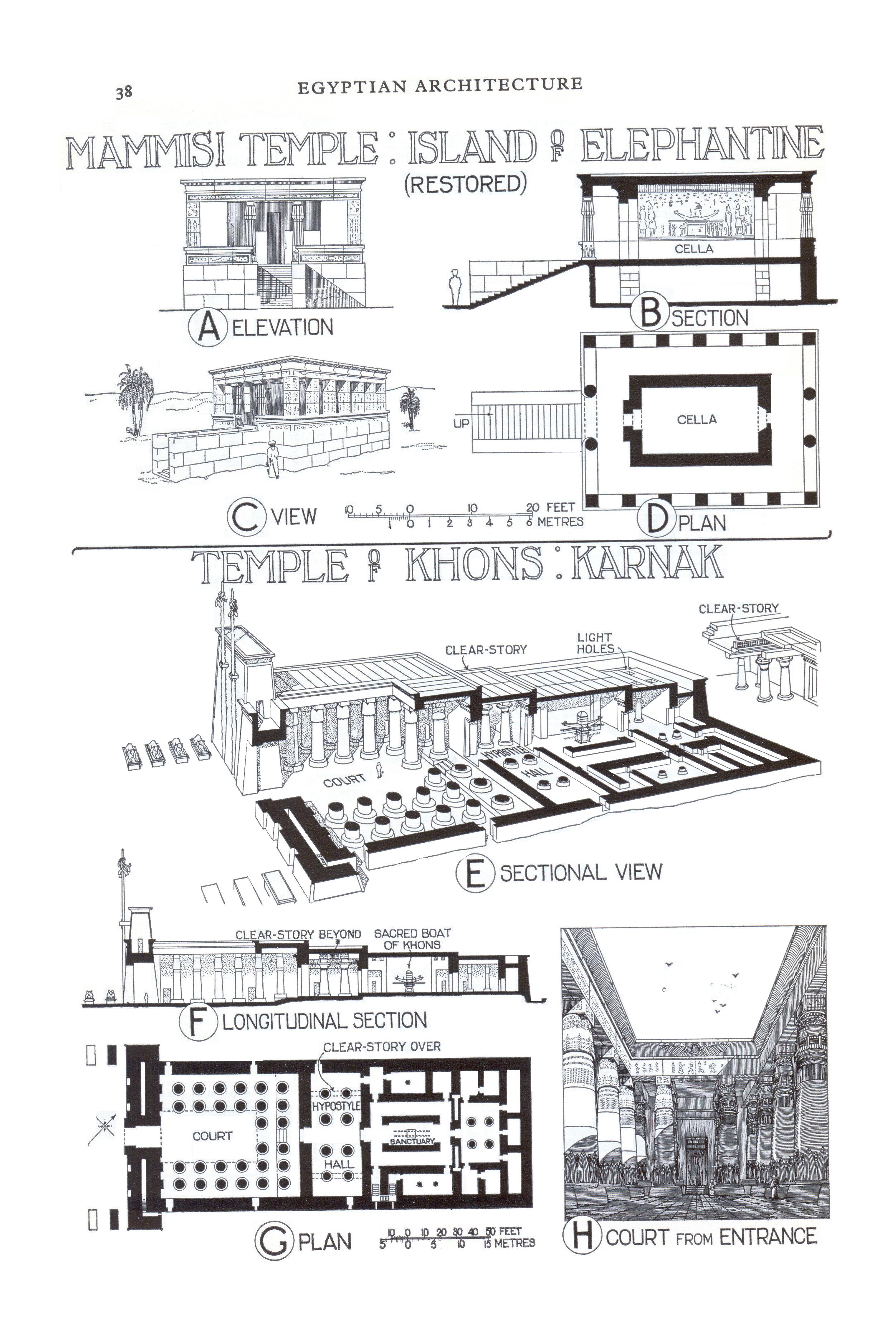
Buildings
- It is a horizontal architecture (same as the landscape of Egypt)
- It is an architrave architecture; although they know the vault and the arch they do not use it
- It is an architecture made of stone, which gave a great consistency to the buildings that has survived to this day.
- At first, wood, adobe and brick were used, but they are no longer used as the main material already in the Old Kingdom.
- It is a monumental architecture
- Thought and realized for eternity: fundamentally religious architecture; tombs and temples. Above all, those of a funerary nature have been preserved because they are far from the main centers, and also the temples near them.
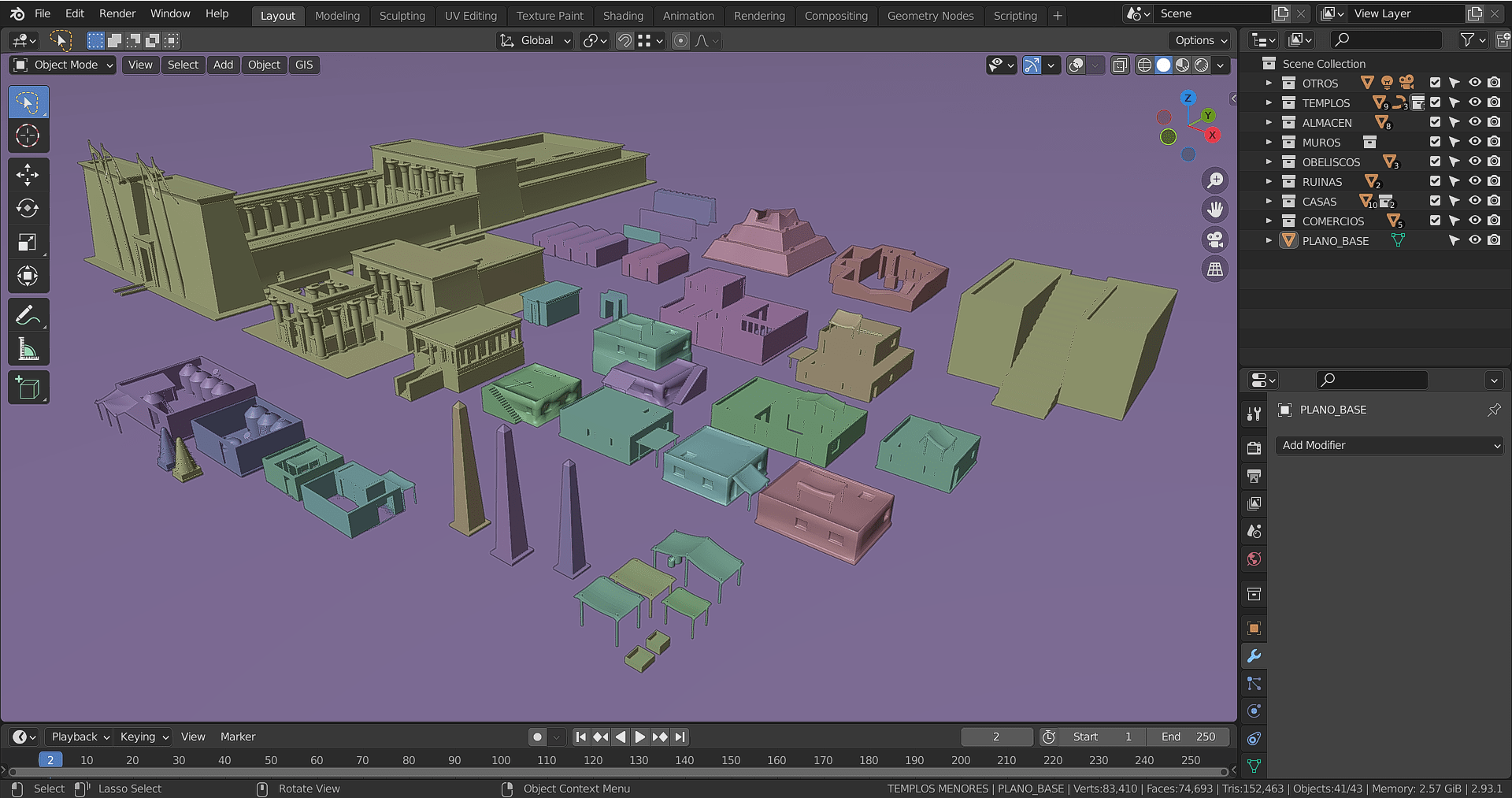
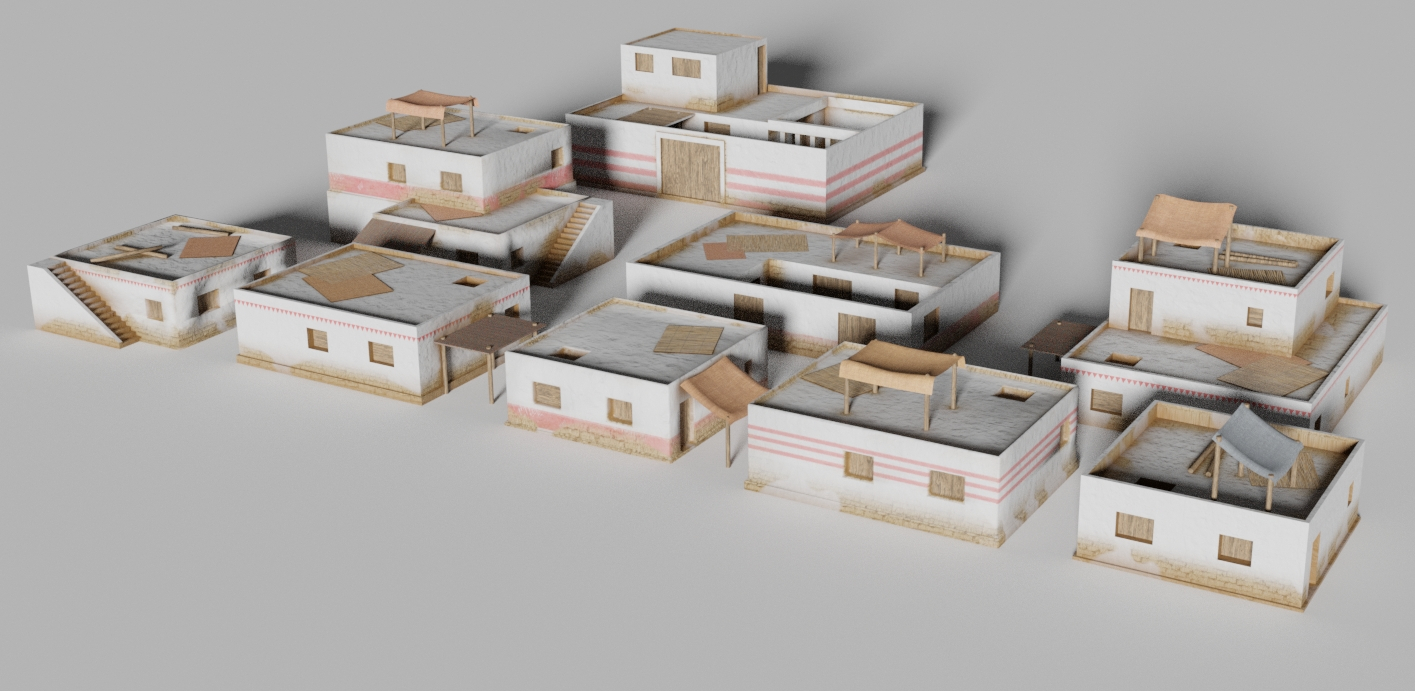
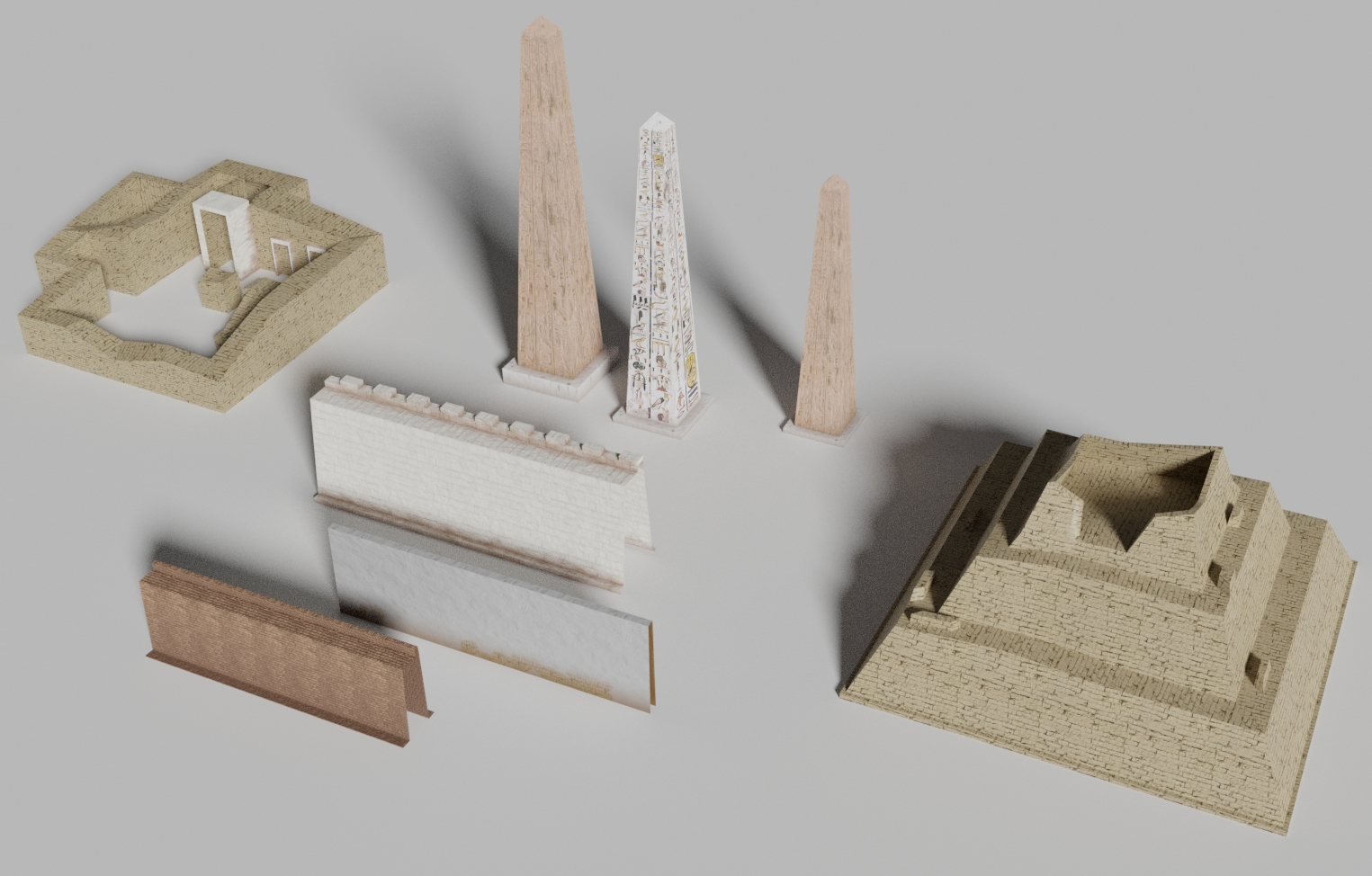
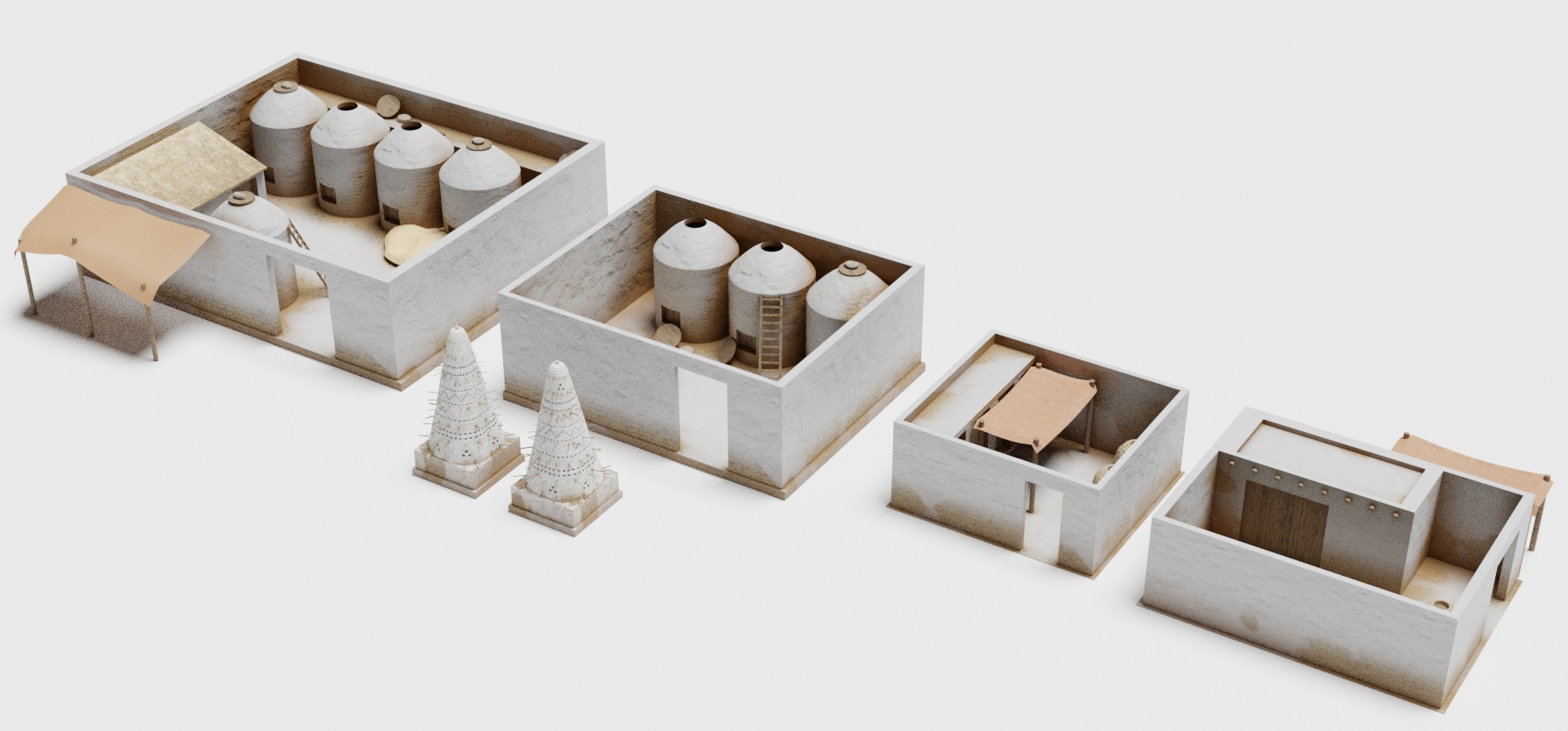
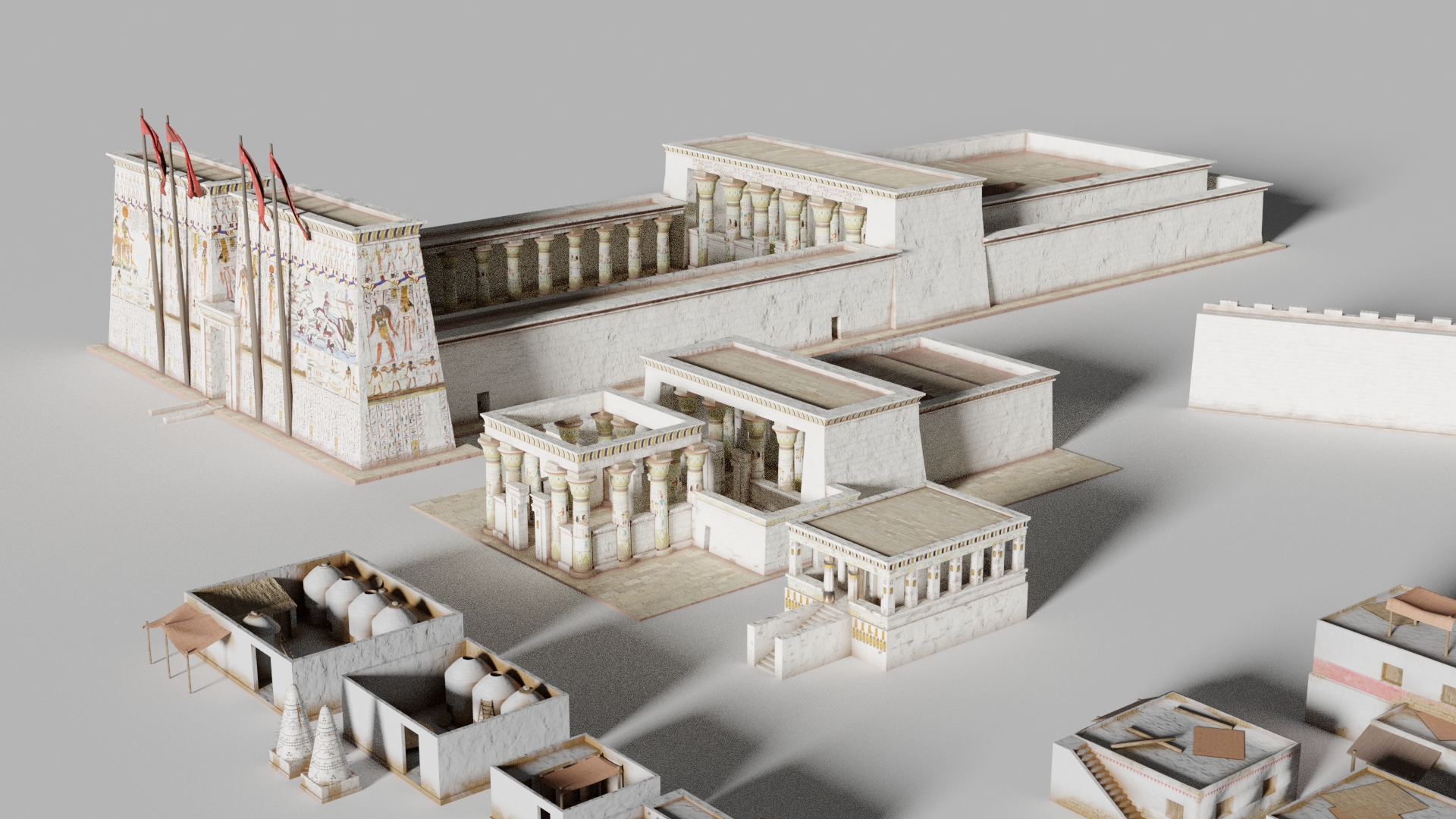
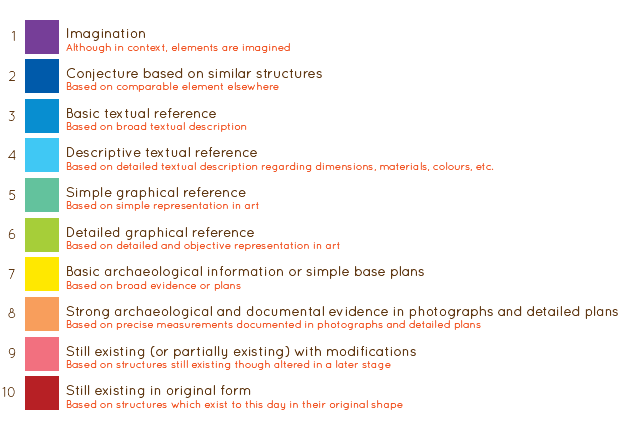
Historical-archaeological evidence scale
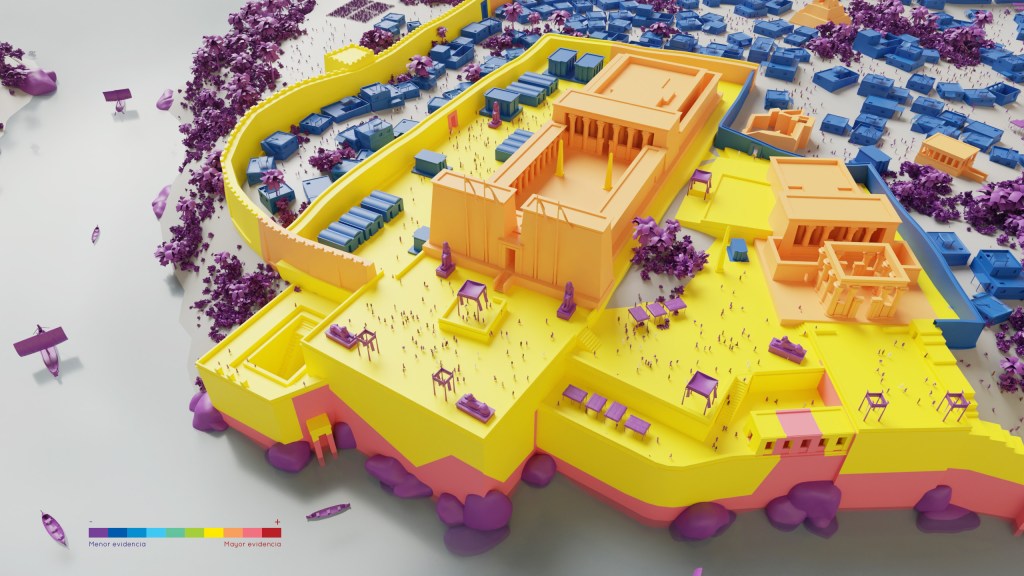
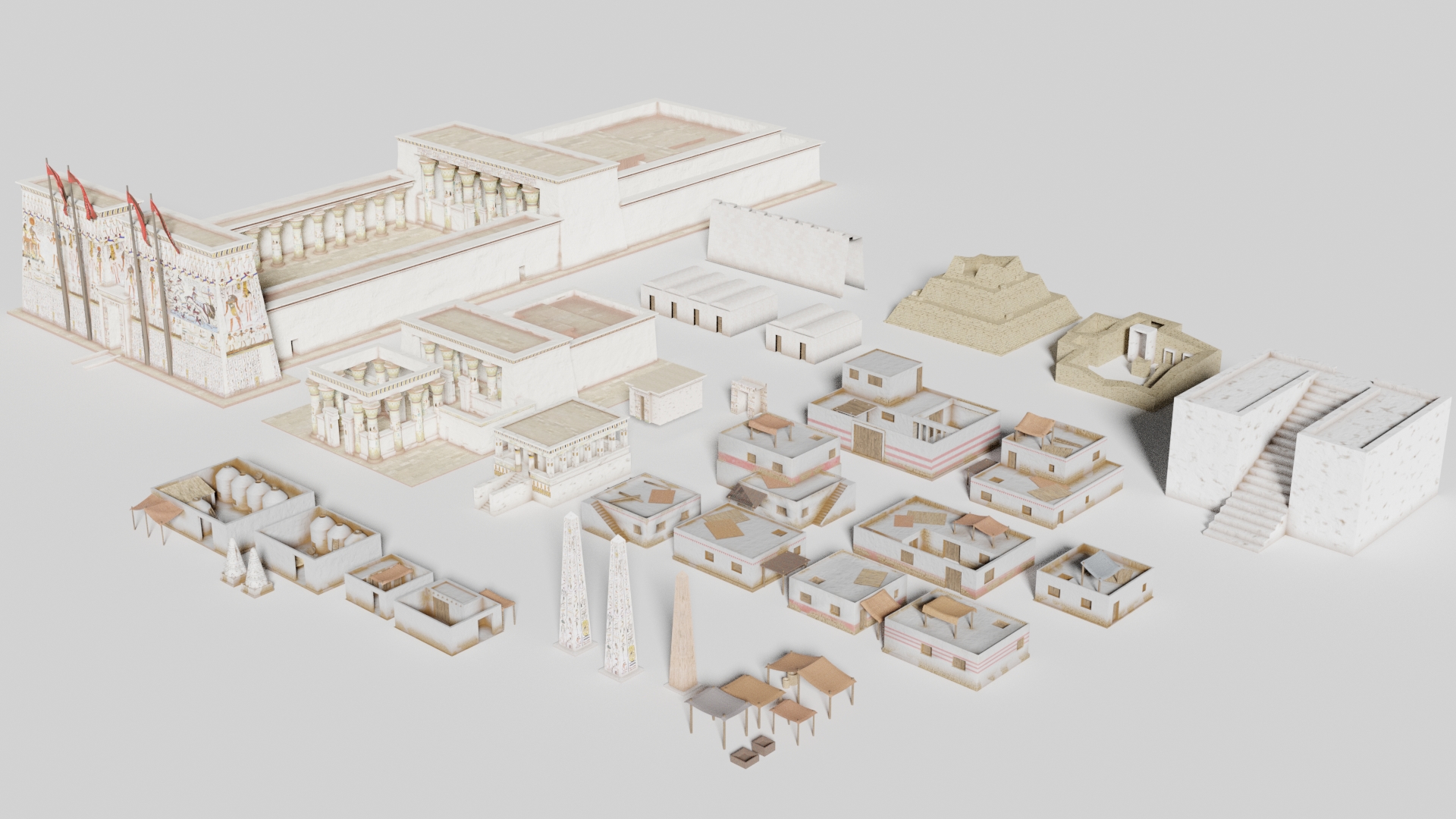
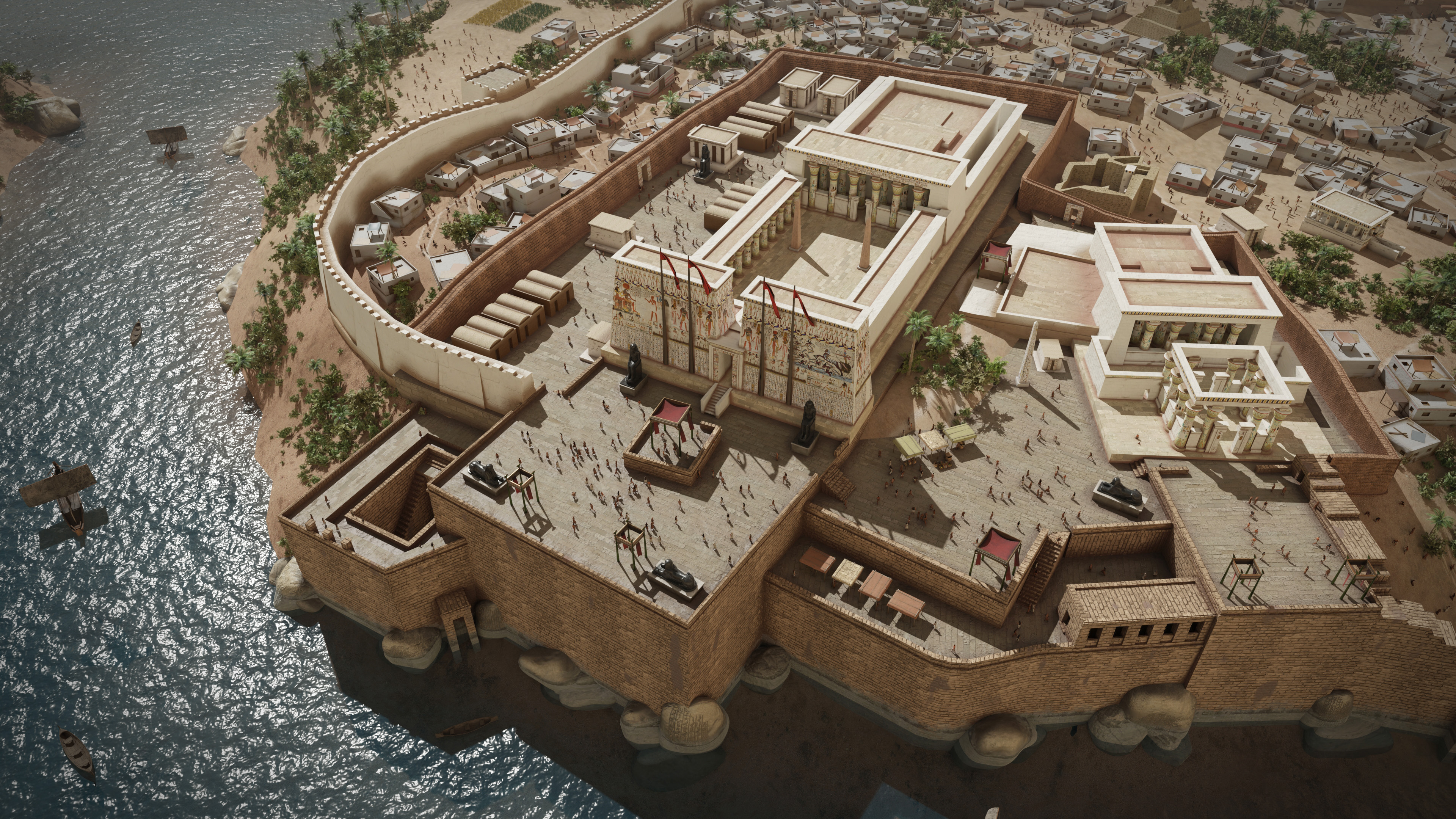
Renders of Elephantine
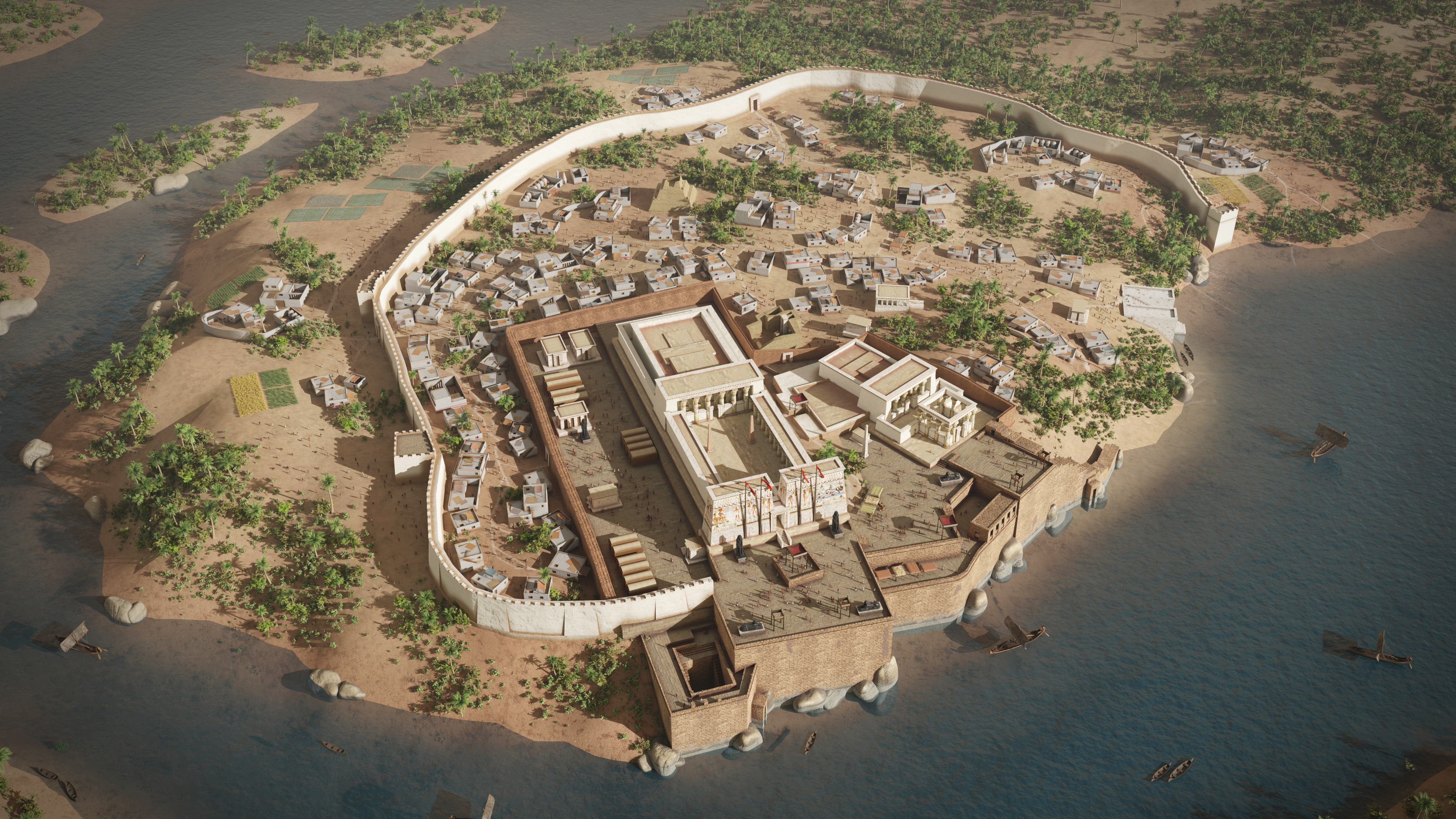
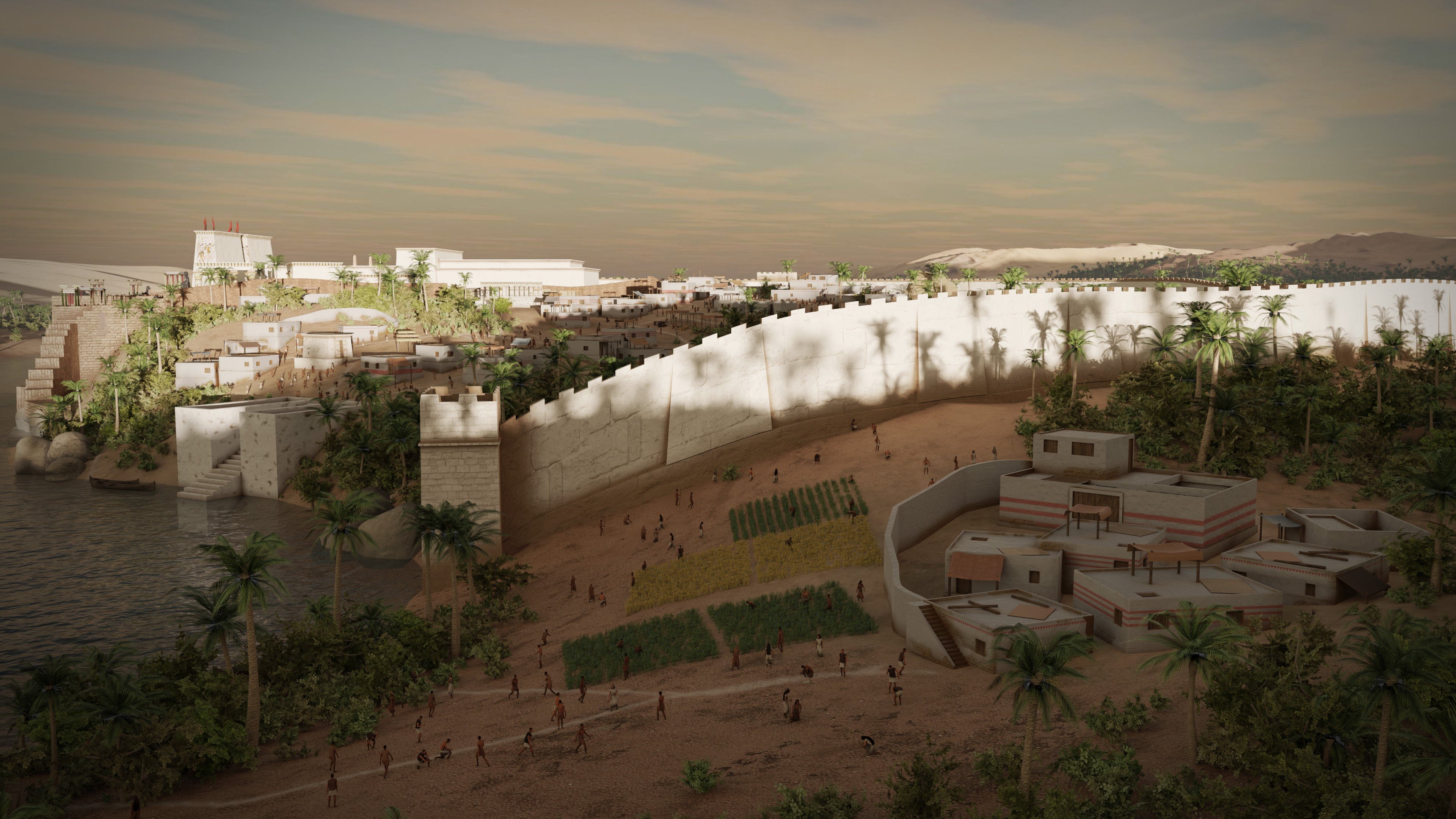
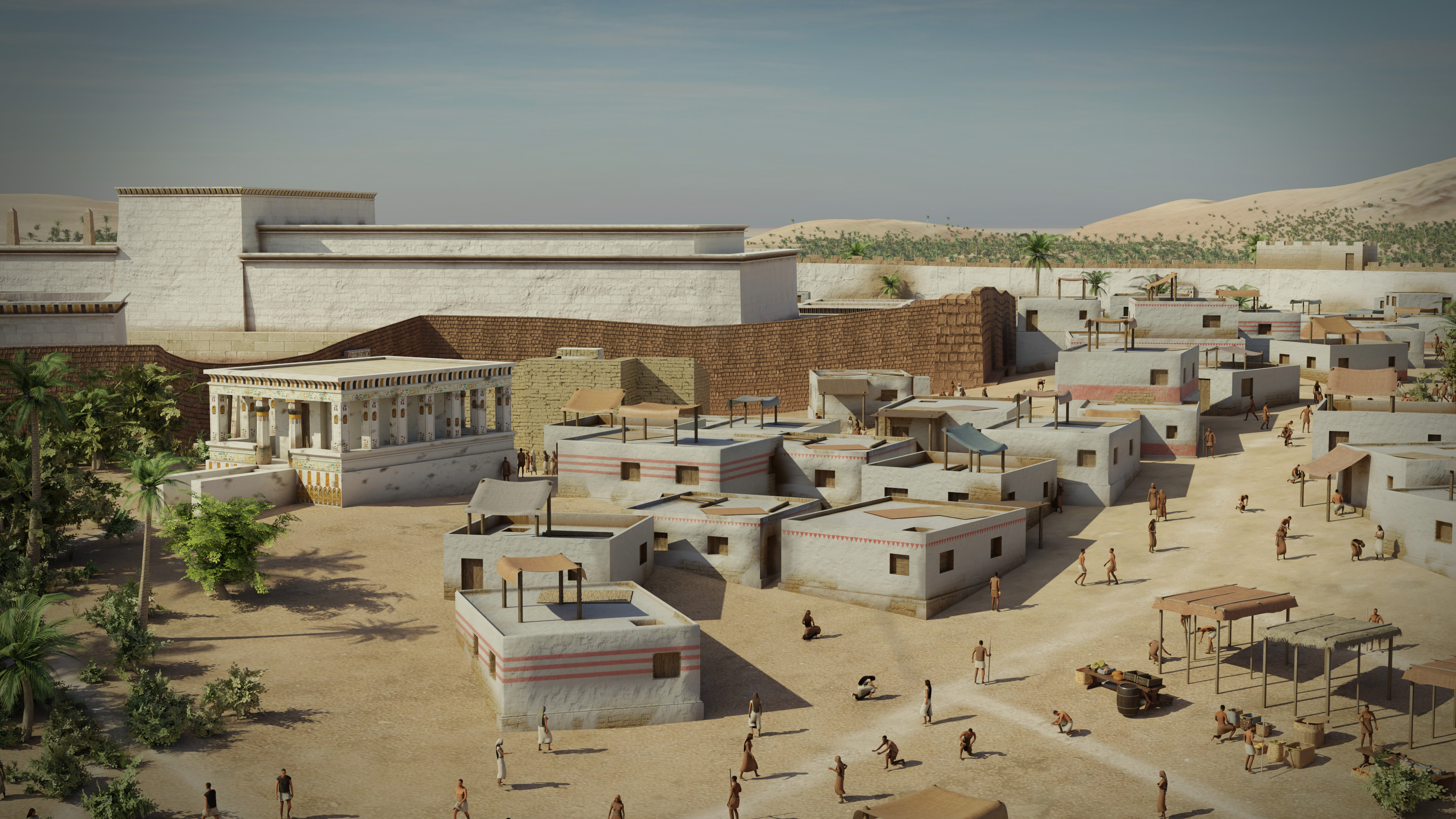
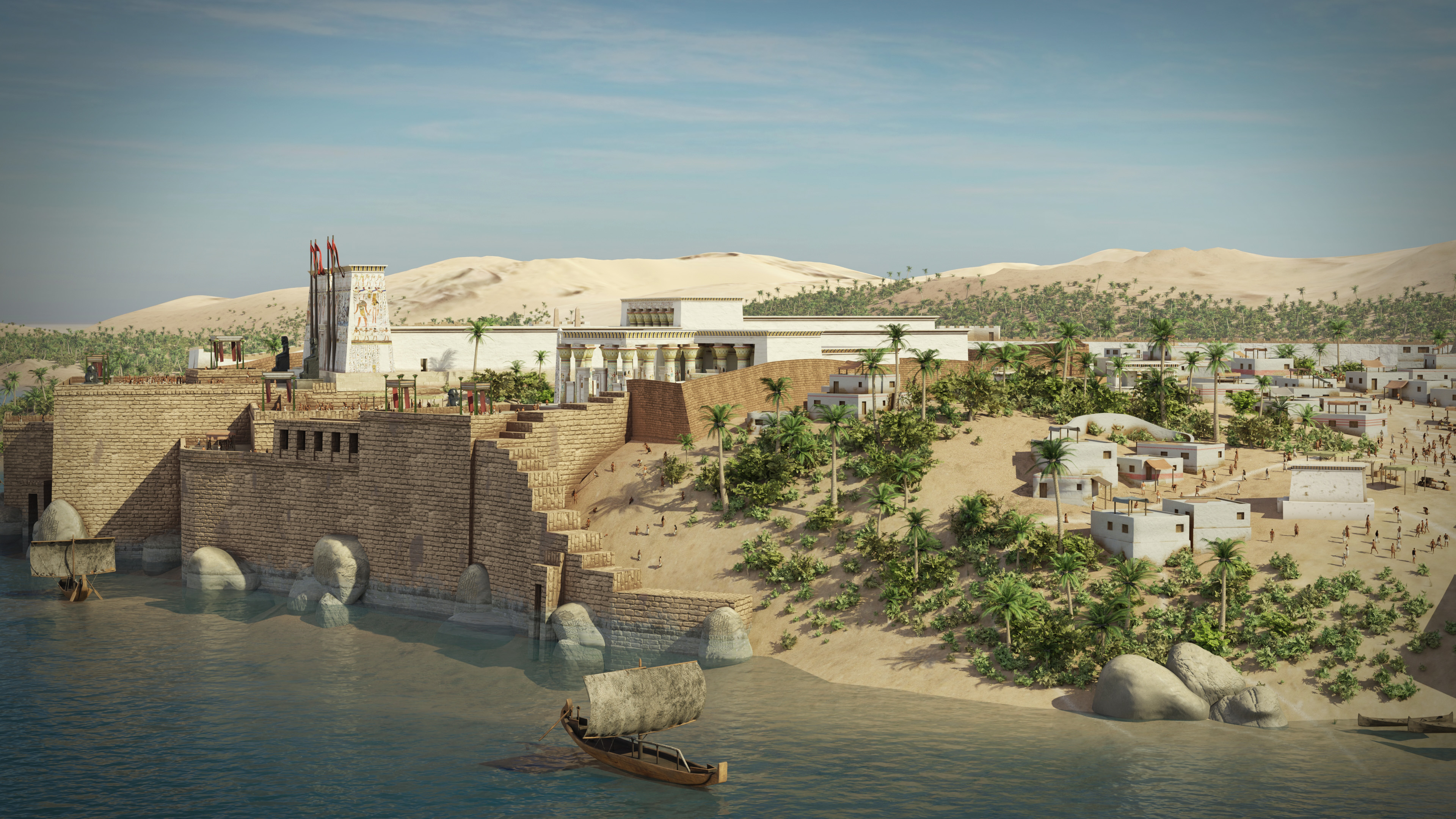
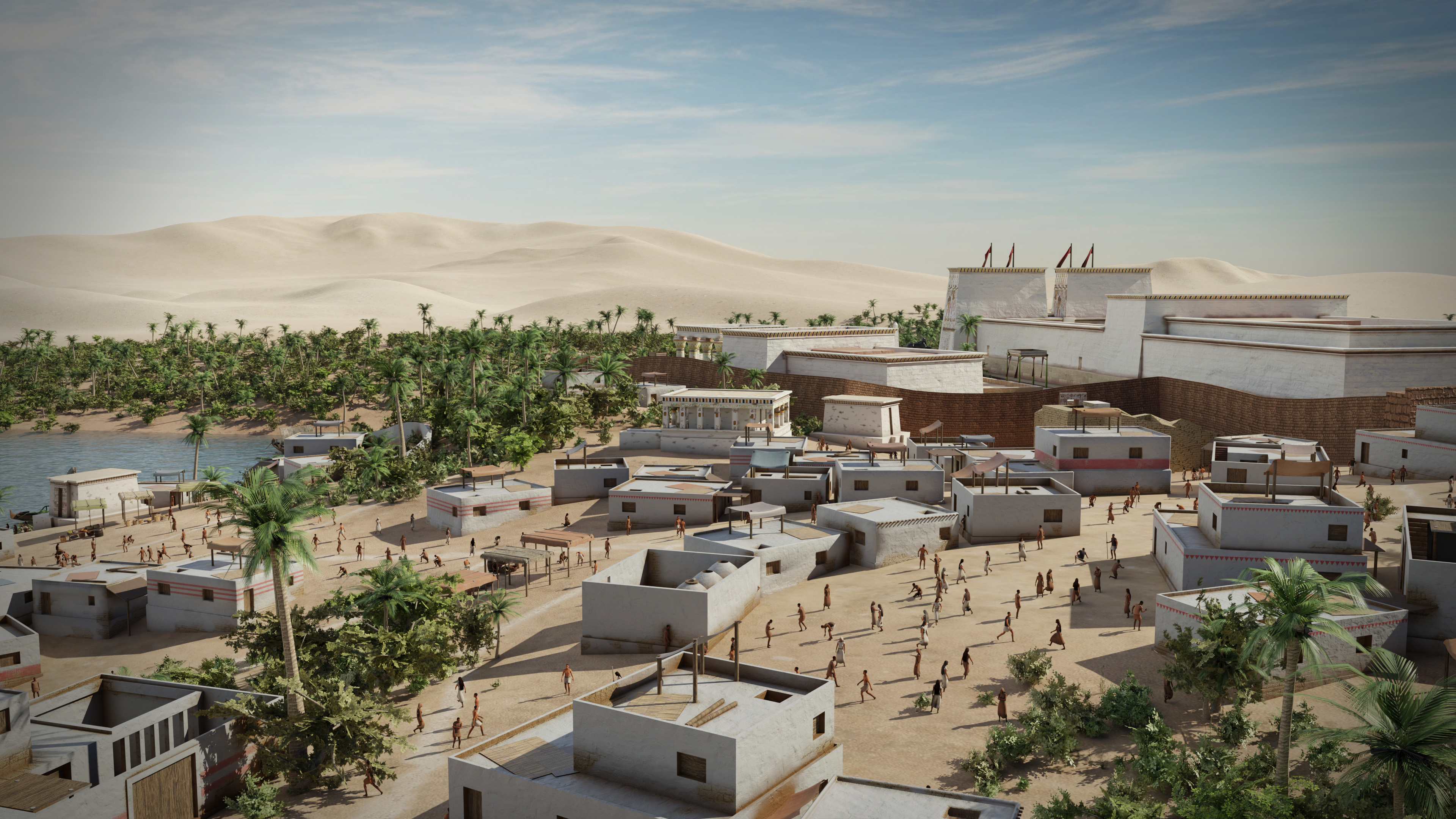
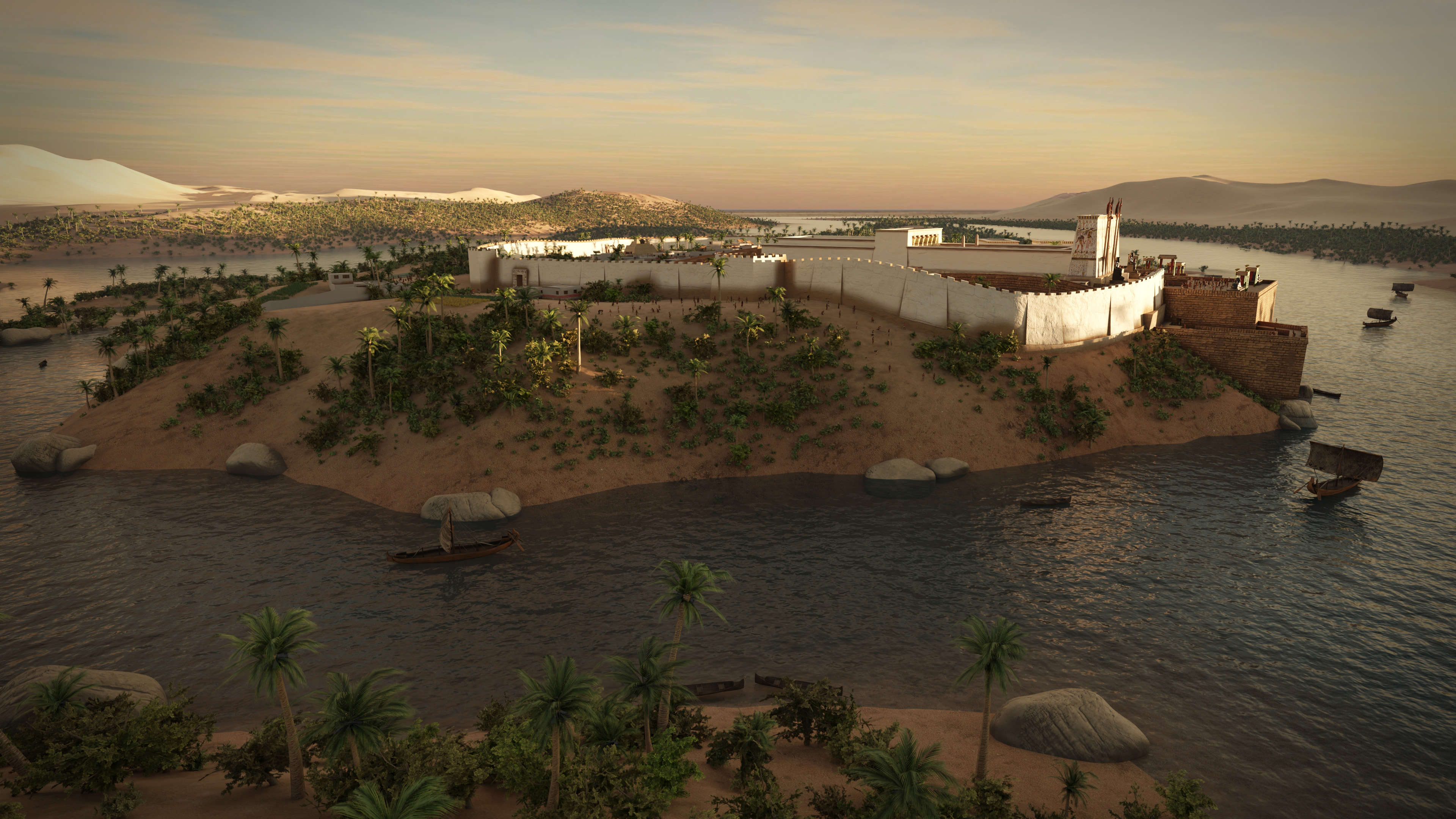
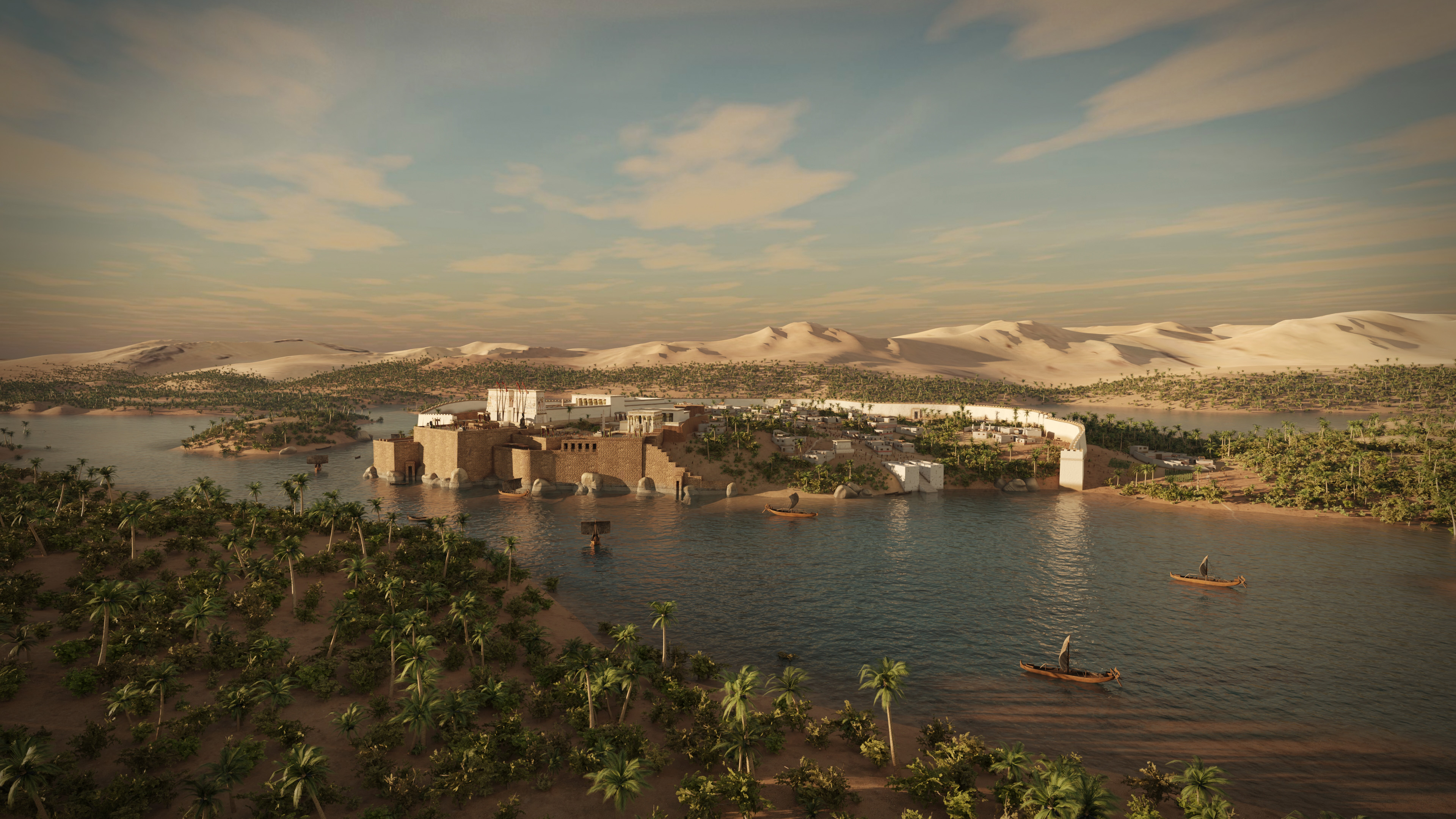
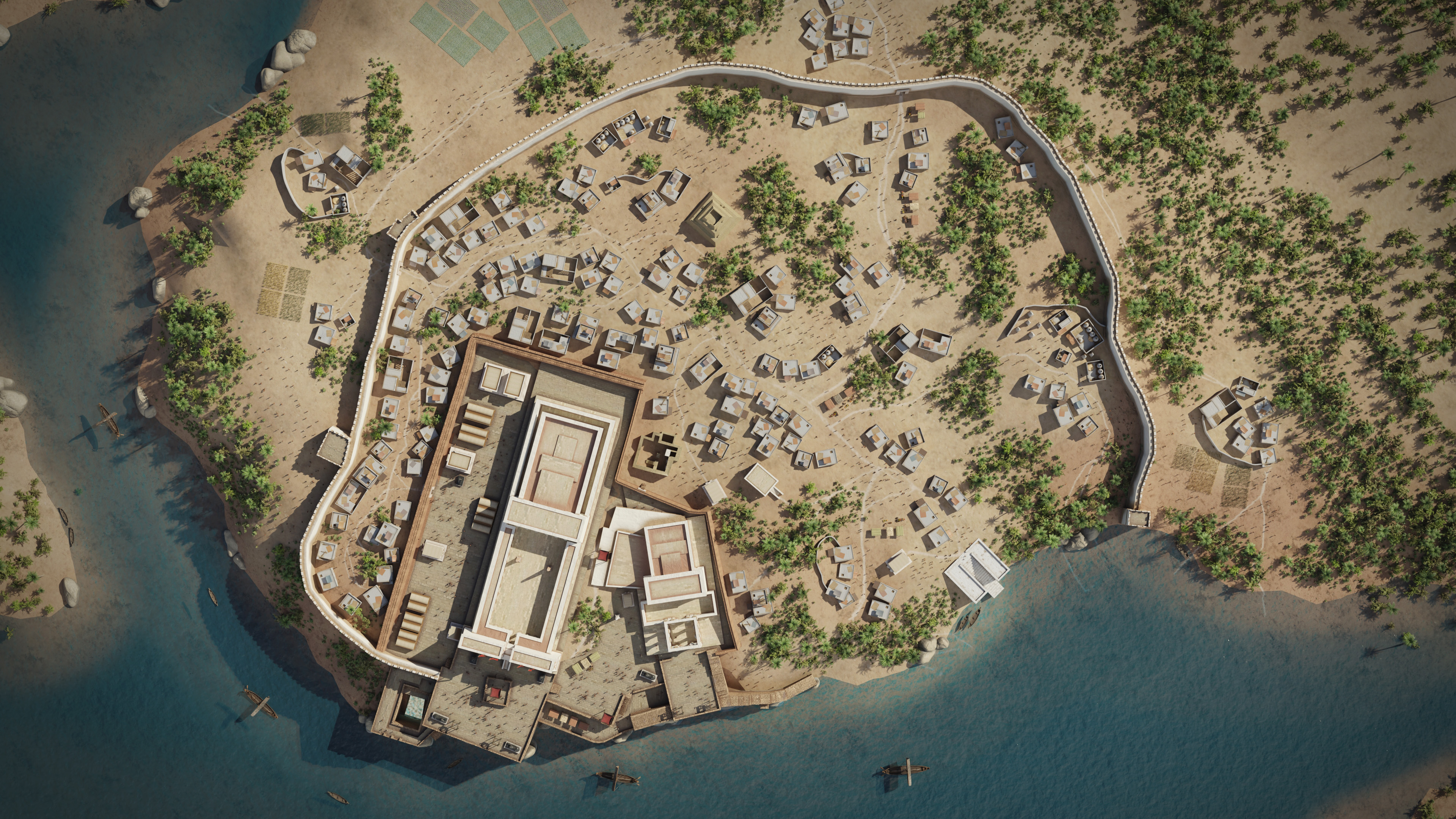
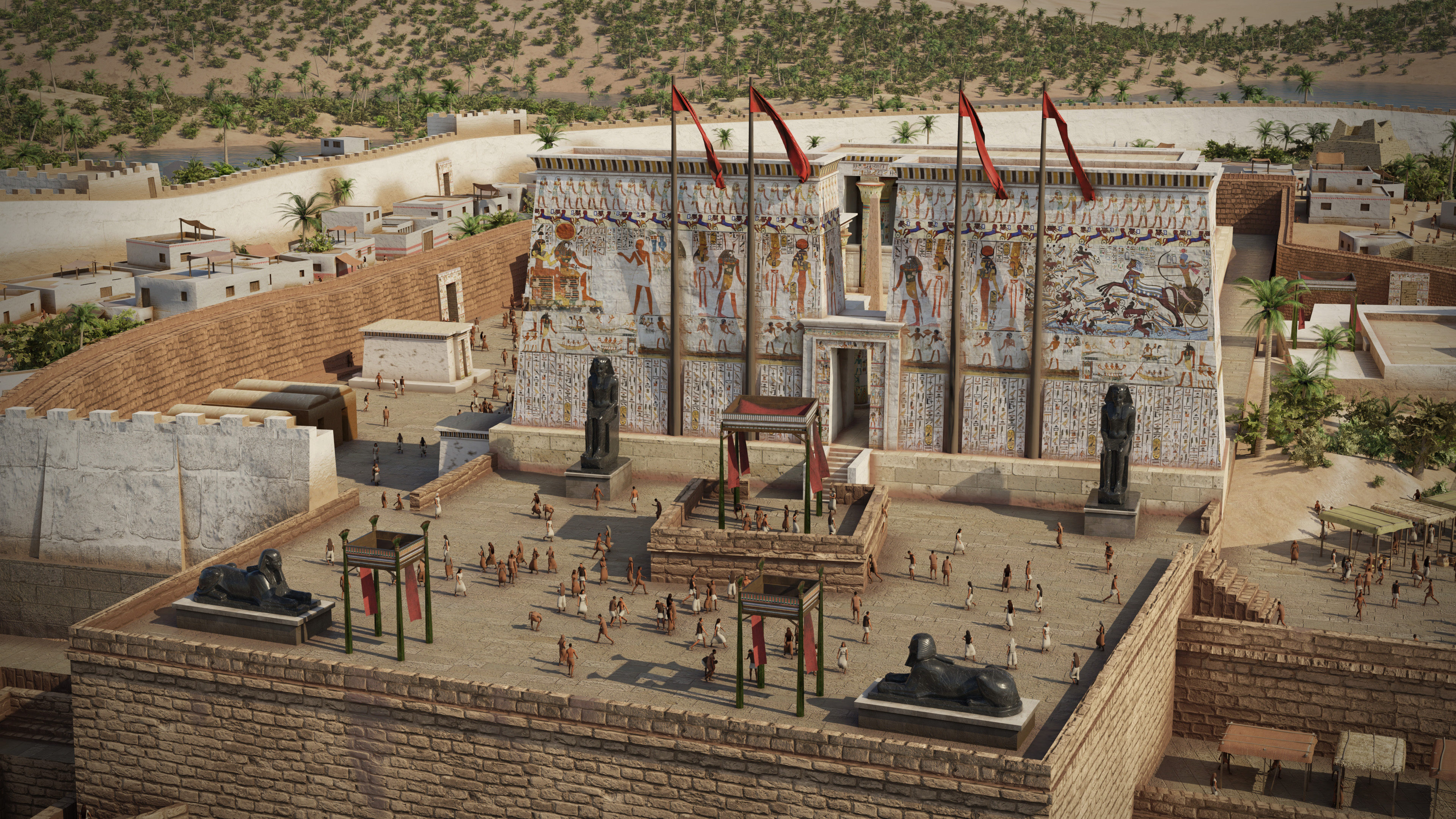
Final Project for the Course of KORE
3D Recreation of Historic Cities with Blender
Teacher: Pablo Aparicio Resco
Programs: Blender, QGIS, and Photoshop.
Used models of:
Pablo Aparicio Resco
@pmanuelian
@ danderson4
@Matthew (jeandiz)
@TooManyDemons
 Work Portfolio
Leave a comment